I have been meaning to go to Ta’ Braxia for years.
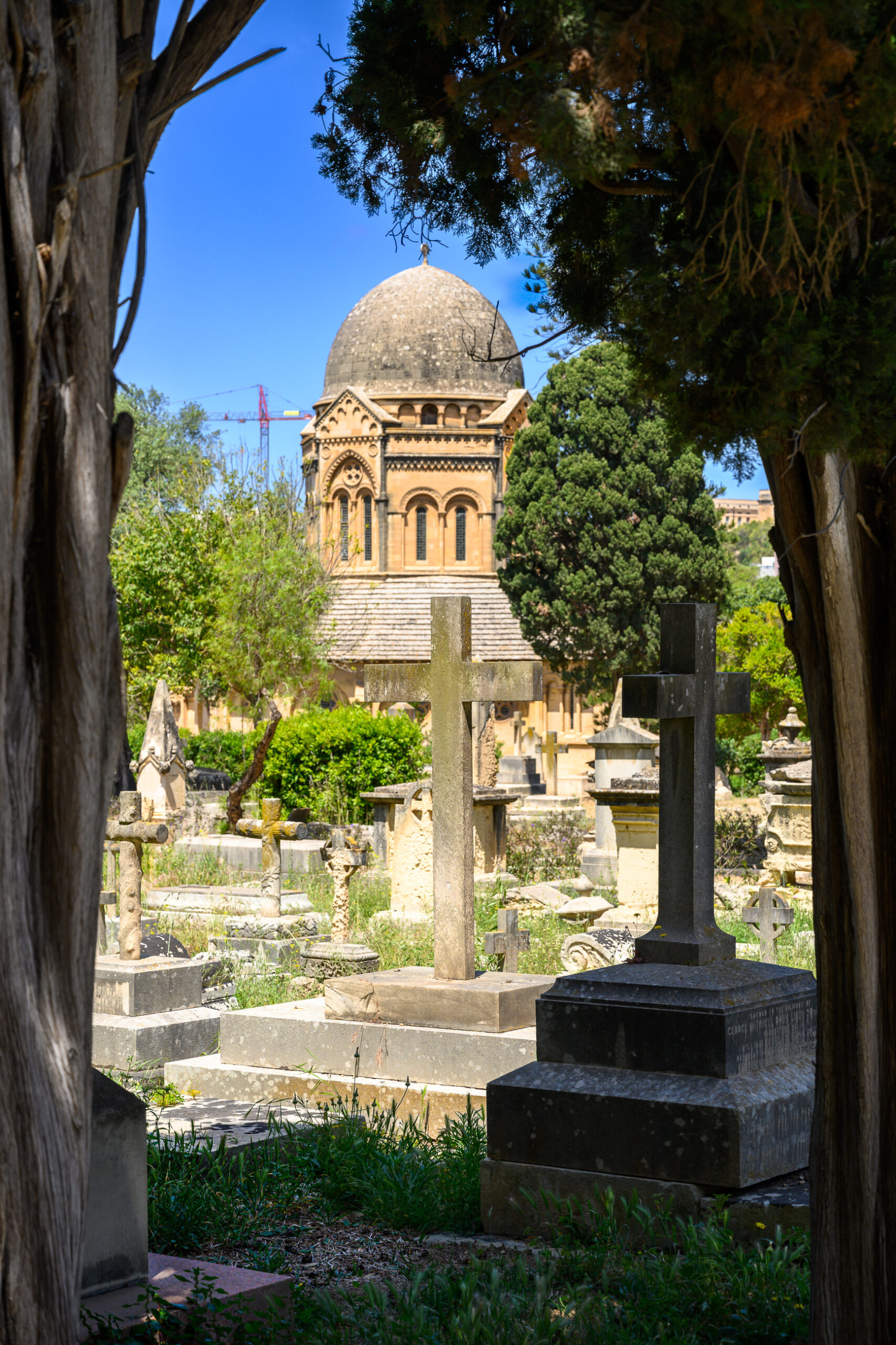
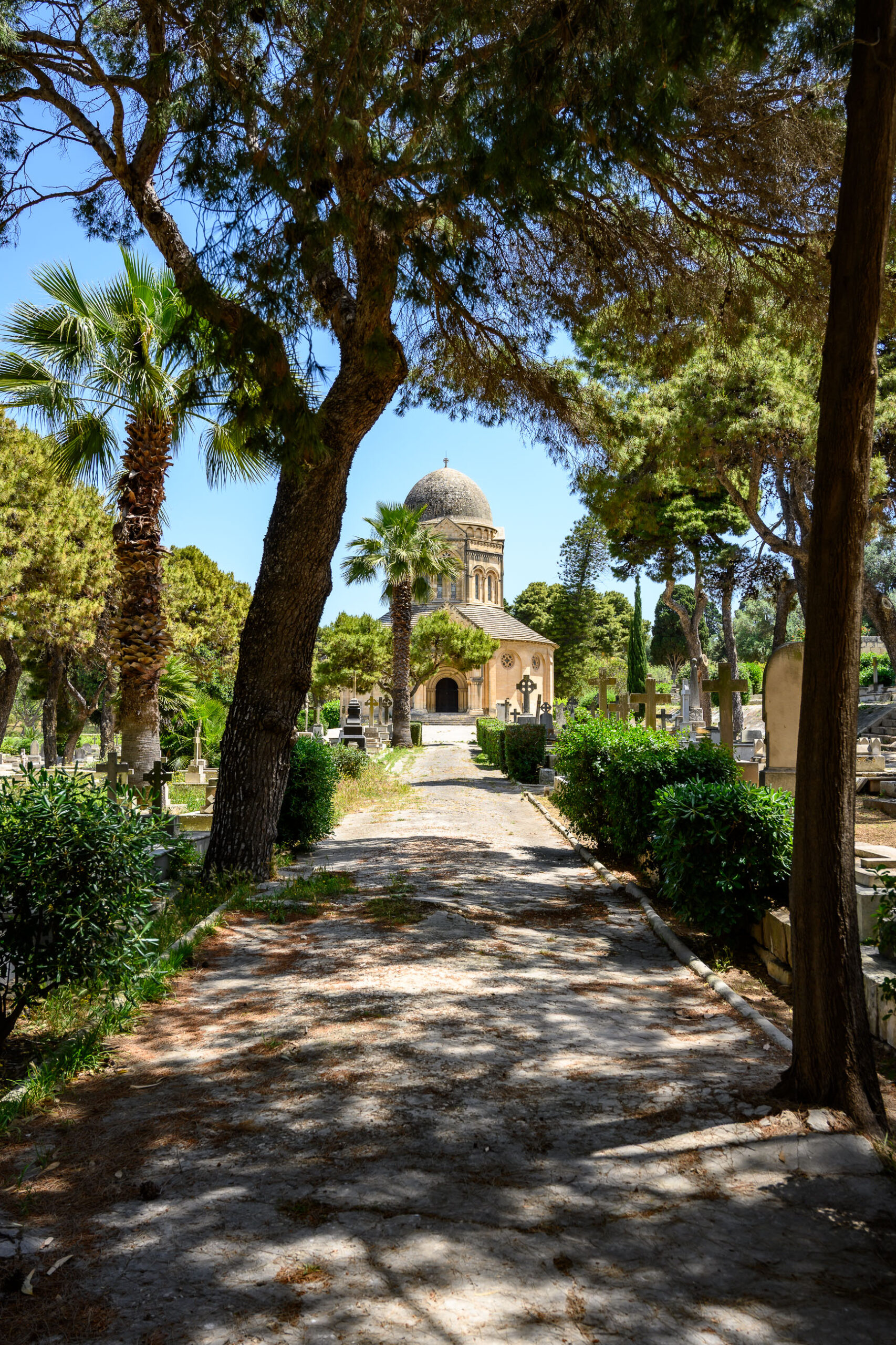
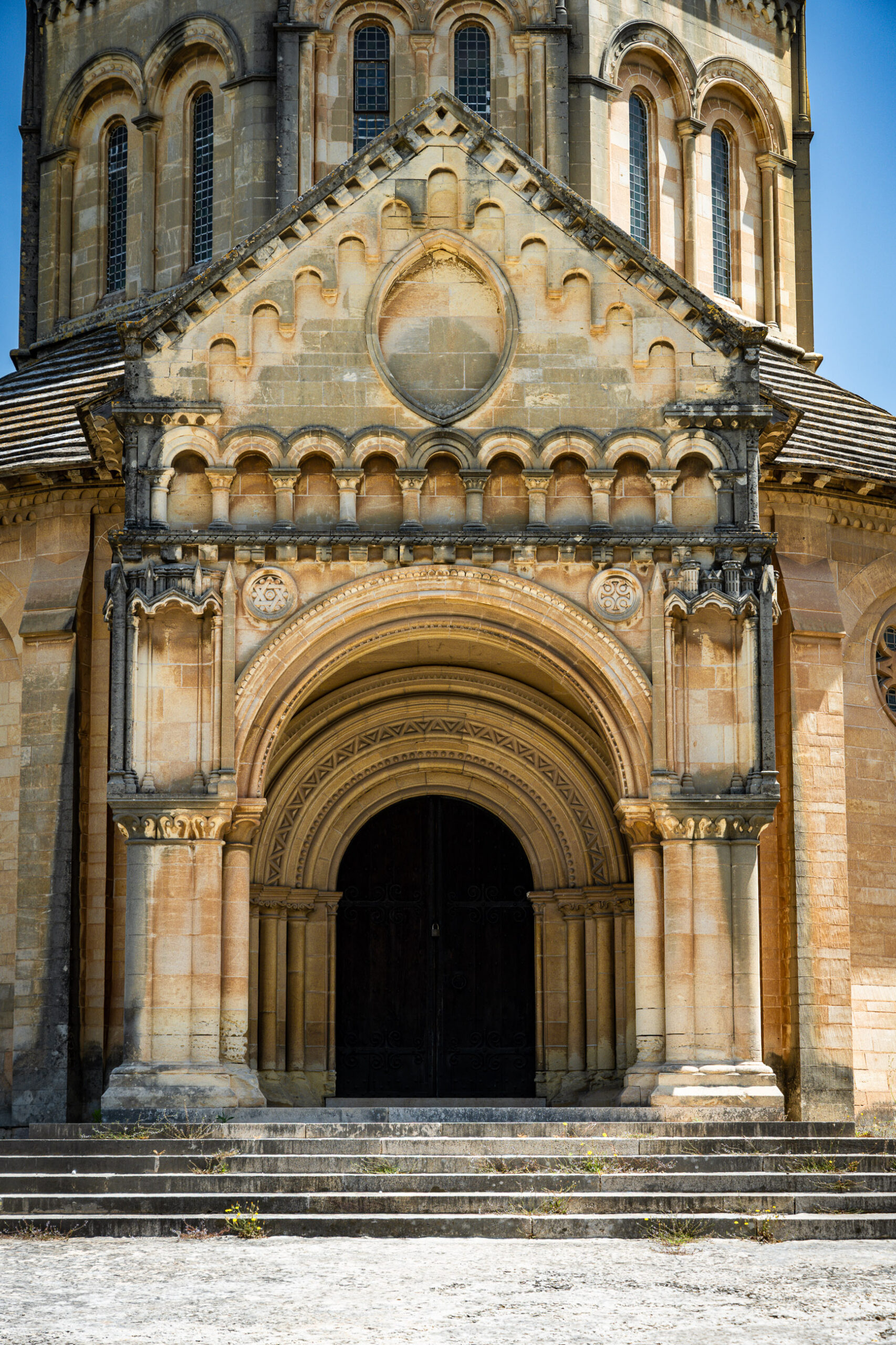
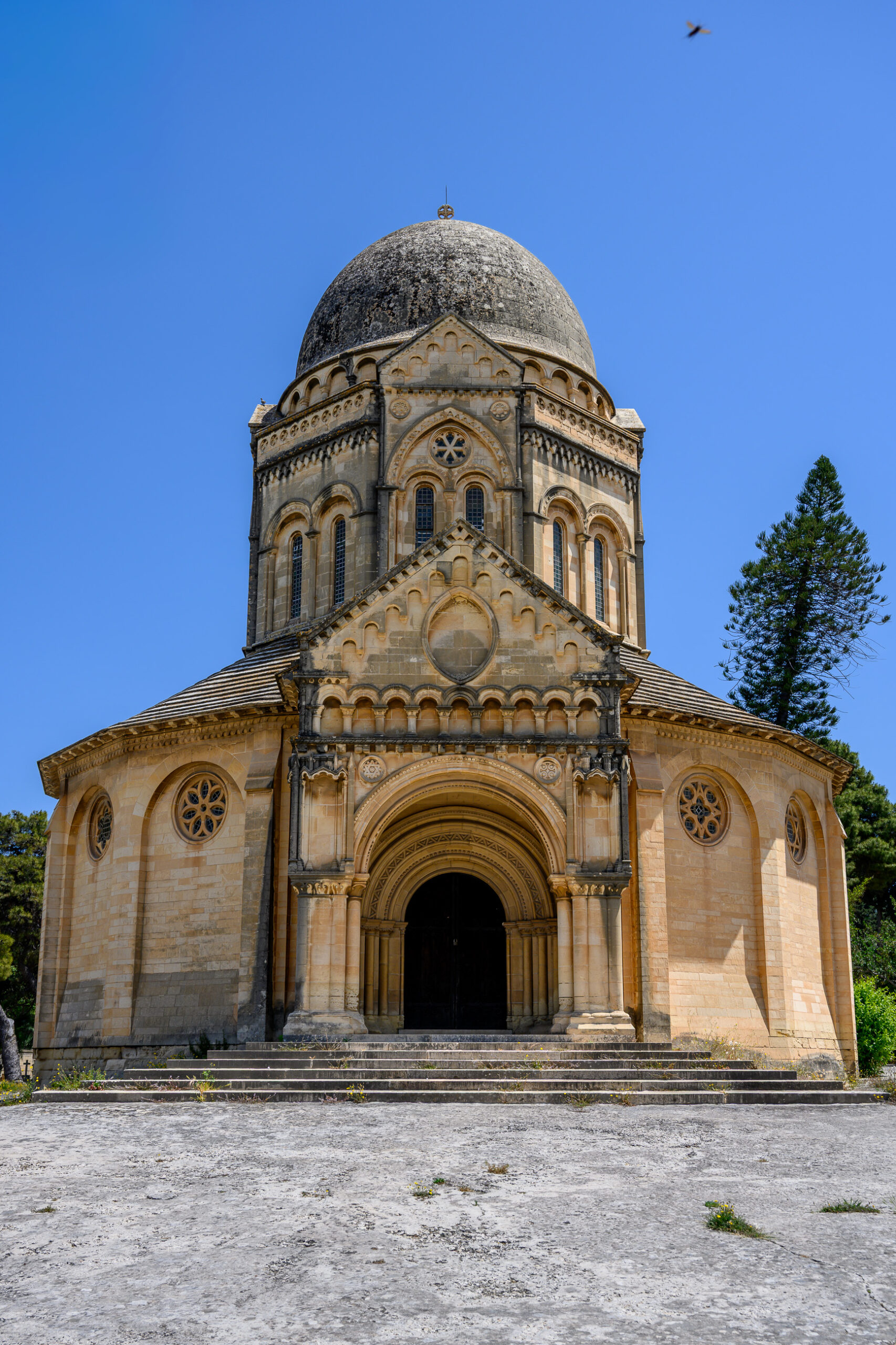
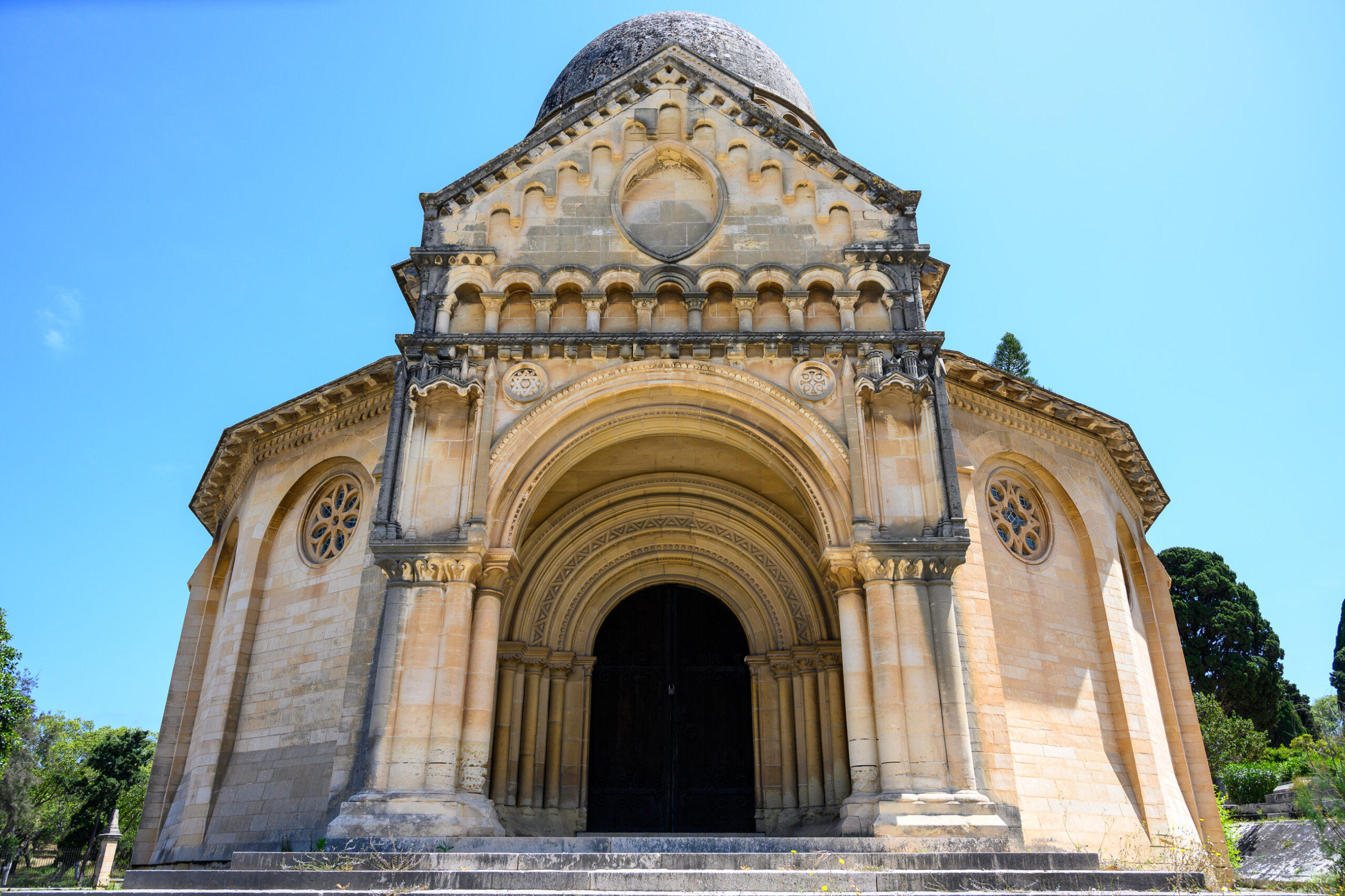
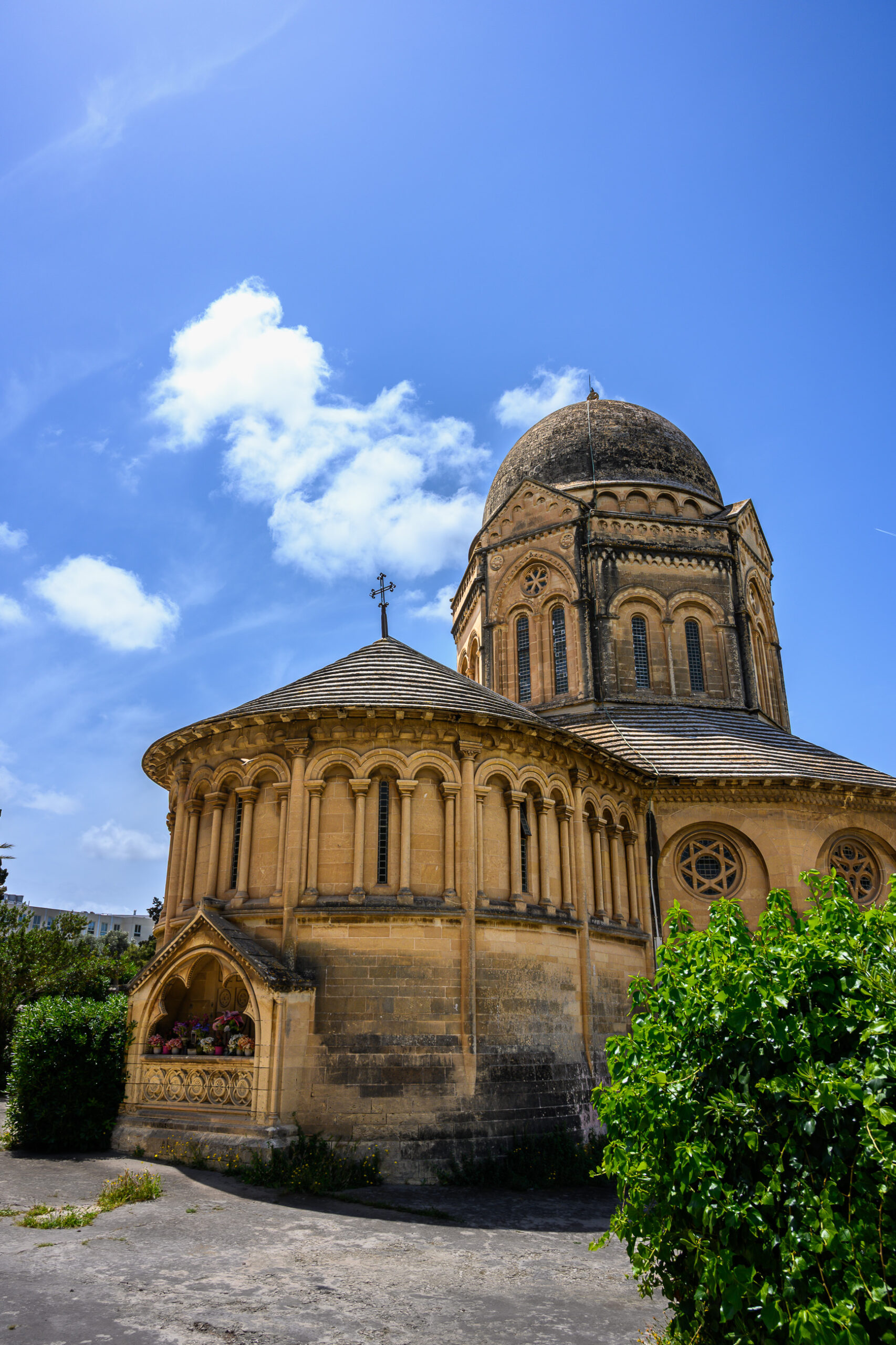
It sits right there on the road to Valletta, those pale stone walls and the dome of the Hamilton-Gordon chapel visible from the car window every single time we drive past. And every single time, I found a reason not to go. Stopping was no good because I don’t have my camera. At home I was too busy. Too far, too hot, too wet. Later. Always later.
Today I finally went. Alone, camera in hand, a little nervous about it – which is its own thing I’ll come back to.
A Brief, Controversial History
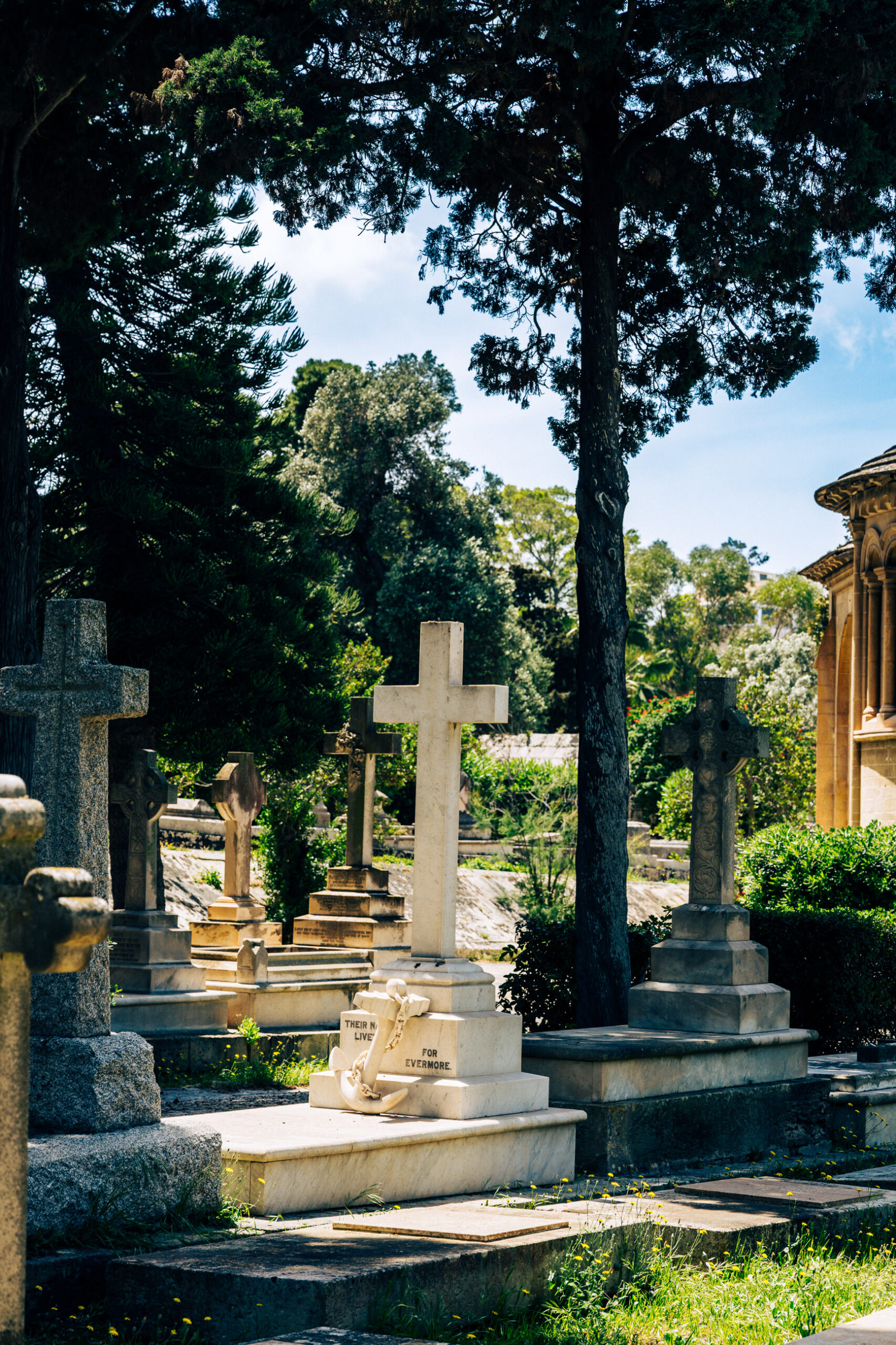
Ta’ Braxia was built between 1855 and 1857, designed by a 25-year-old Maltese architect named Emanuele Luigi Galizia who was, by all accounts, just getting started. The British colonial government wanted a multi-denomination cemetery for servicemen – the Msida Bastion Cemetery had run out of room – and the local Catholic Church was not happy about it. The idea of burying Protestants, Jews, and anyone else all in the same ground, outside a church, outside the city walls, was considered deeply improper. The Church pushed back hard. The British built it anyway.
The Jewish section predates the main cemetery by about twenty years, established around 1830, and sits incorporated into the grounds as its own quiet corner.
A handful of Commonwealth war graves are here too – eight in total, five from the First World War and three from the Second – cared for by the Commonwealth War Graves Commission with the precision that organisation always brings. A notable contrast to the rest of the cemetery, which has been left to do largely as it pleases.
What the Cemetery Actually Feels Like
Empty. That is the first and most persistent impression.
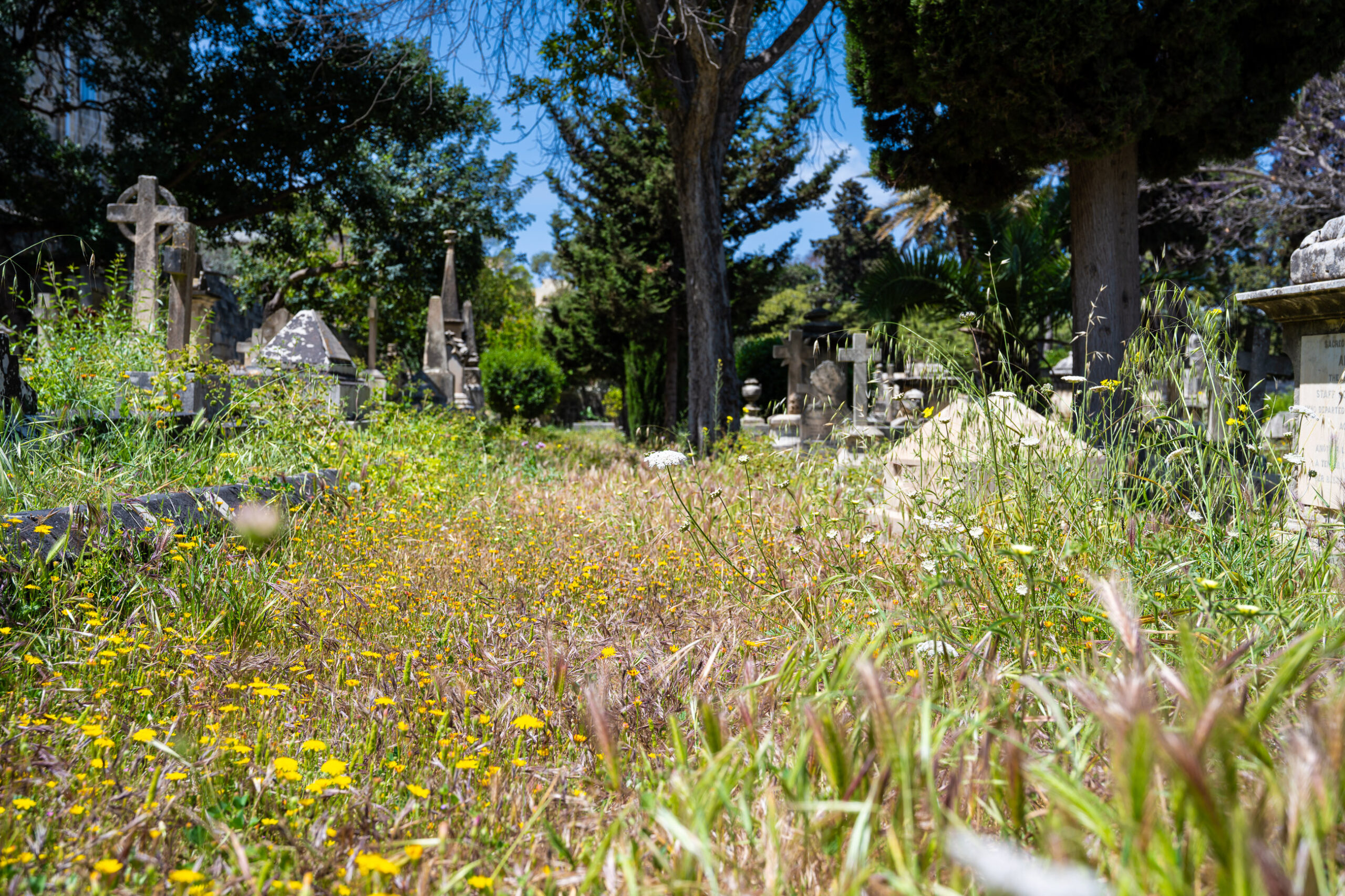
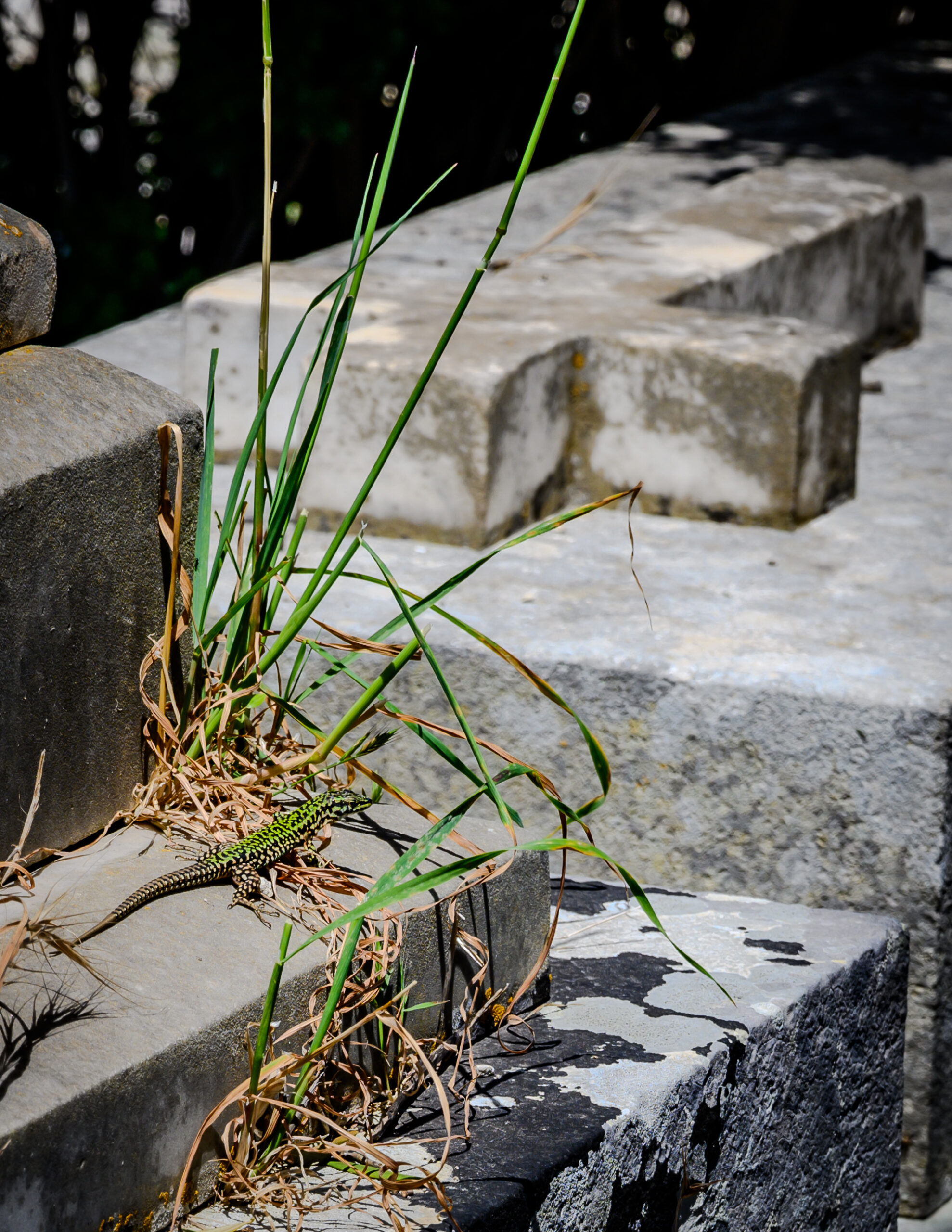
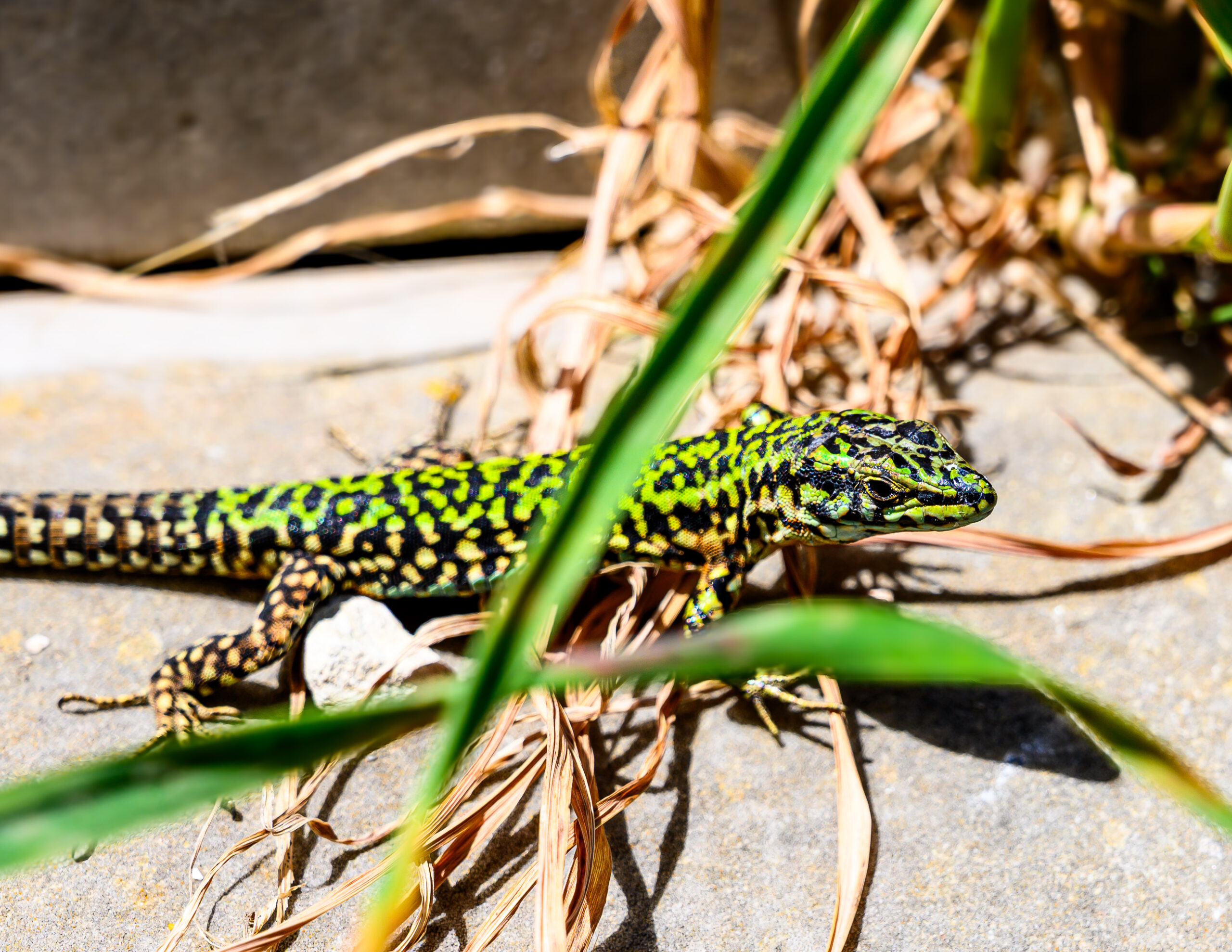
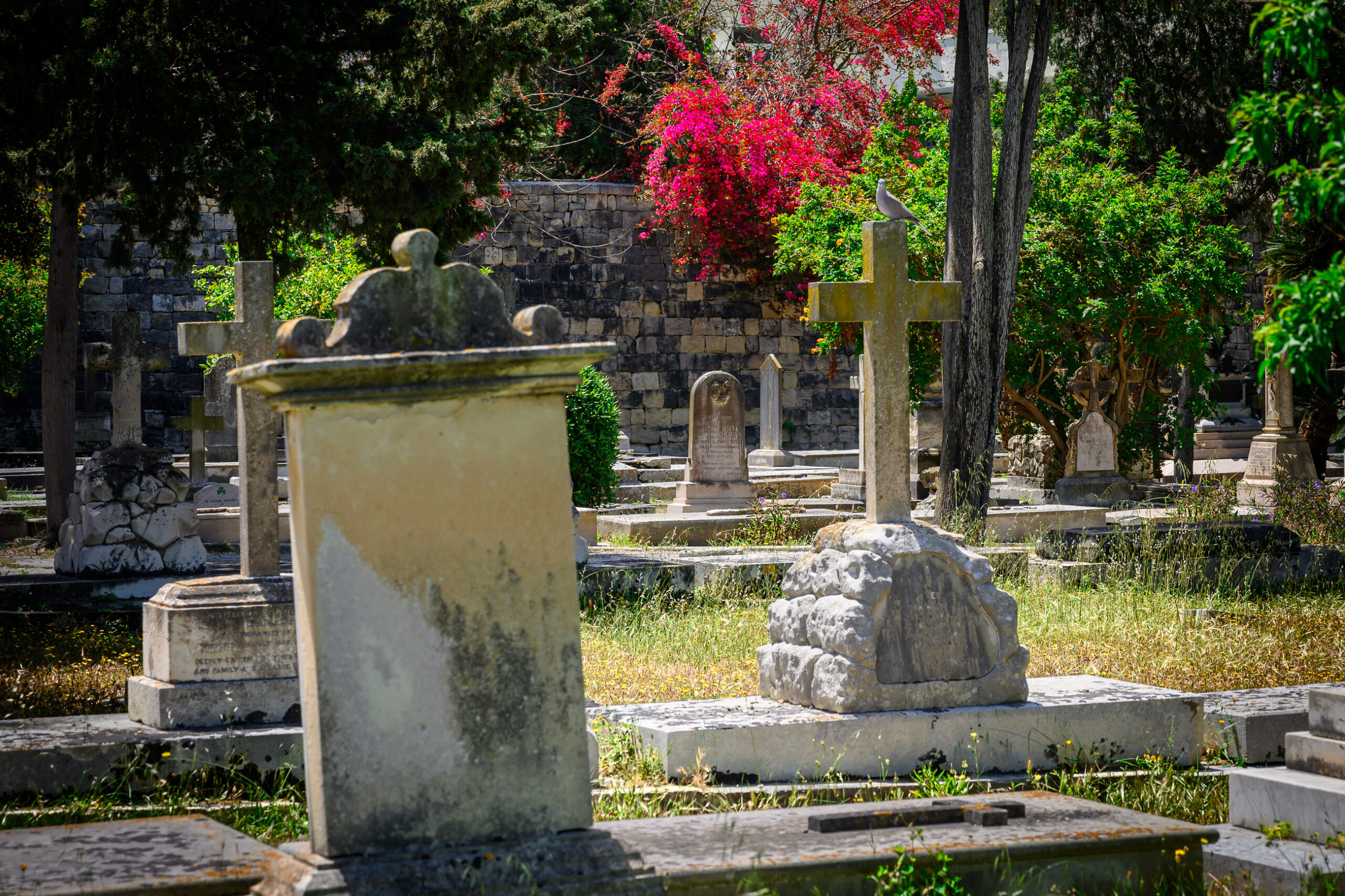
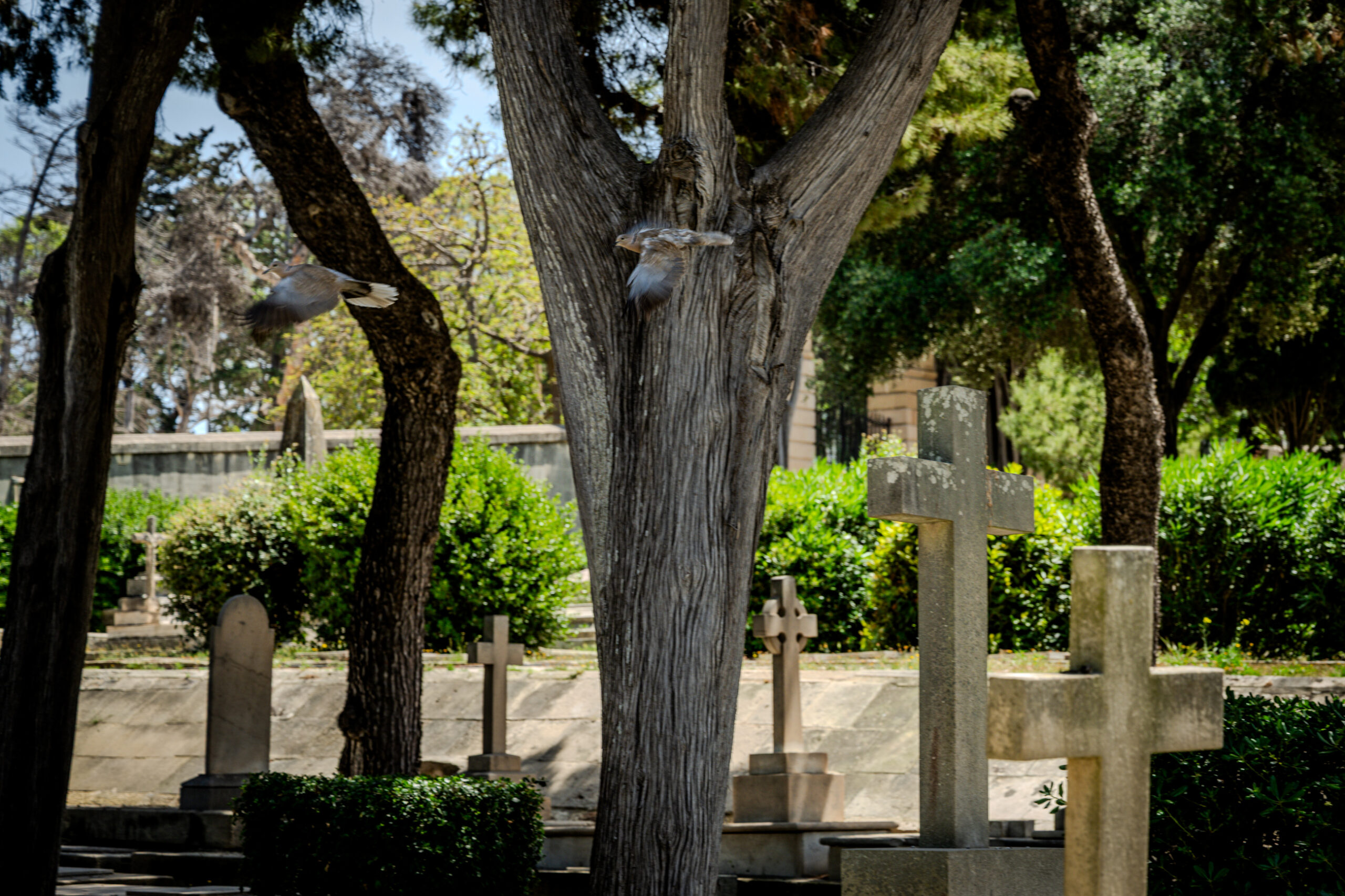
I spent an hour walking the paths and saw no one. No visitors, no groundskeepers, no cats – and in Malta, the absence of cats is always faintly uncanny. Just pigeons, louder than the traffic outside the walls, and lizards and butterflies working the overgrown paths and graves. I disturbed a grasshopper here and there – possibly always the same one, deeply unlucky in its choice of hiding spots – and only ever noticed it because it launched itself away from my feet or lens in a panic, a flash of movement gone before I properly registered it was there. I managed to follow it twice and watched it land on a grave slab and decided it was too big to antagonise. The birds, though – I don’t think I have ever heard that many different species in one place at once on Malta. The walls keep the city out but let everything else in. The fence on the side of the road does less to shield this time-frozen place from the noise and movement of passing traffic.
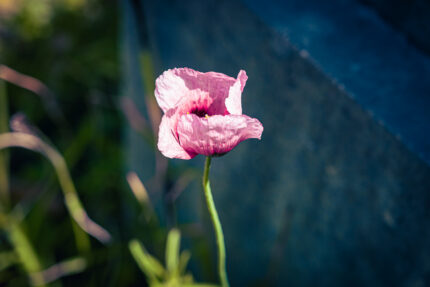
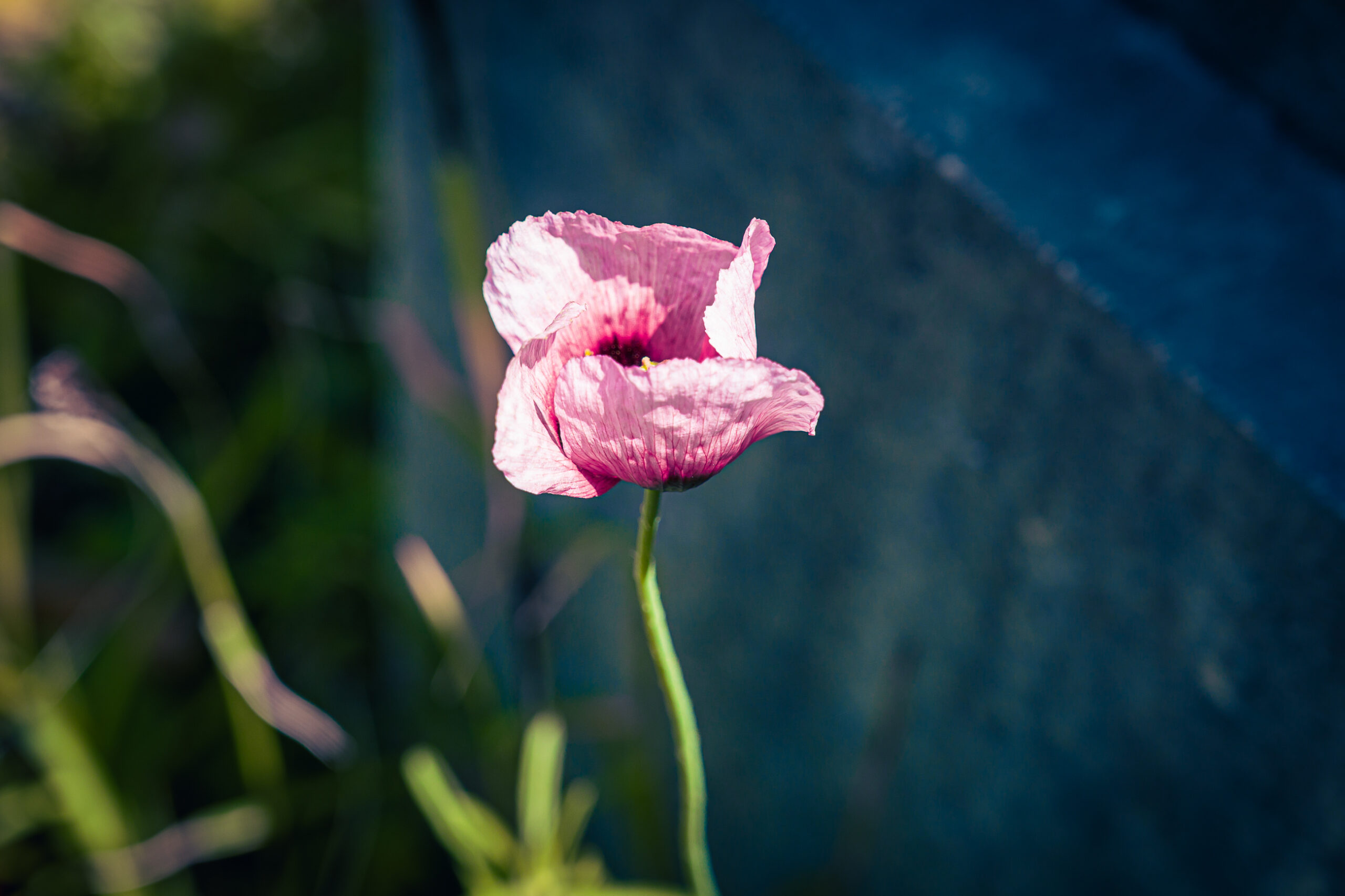
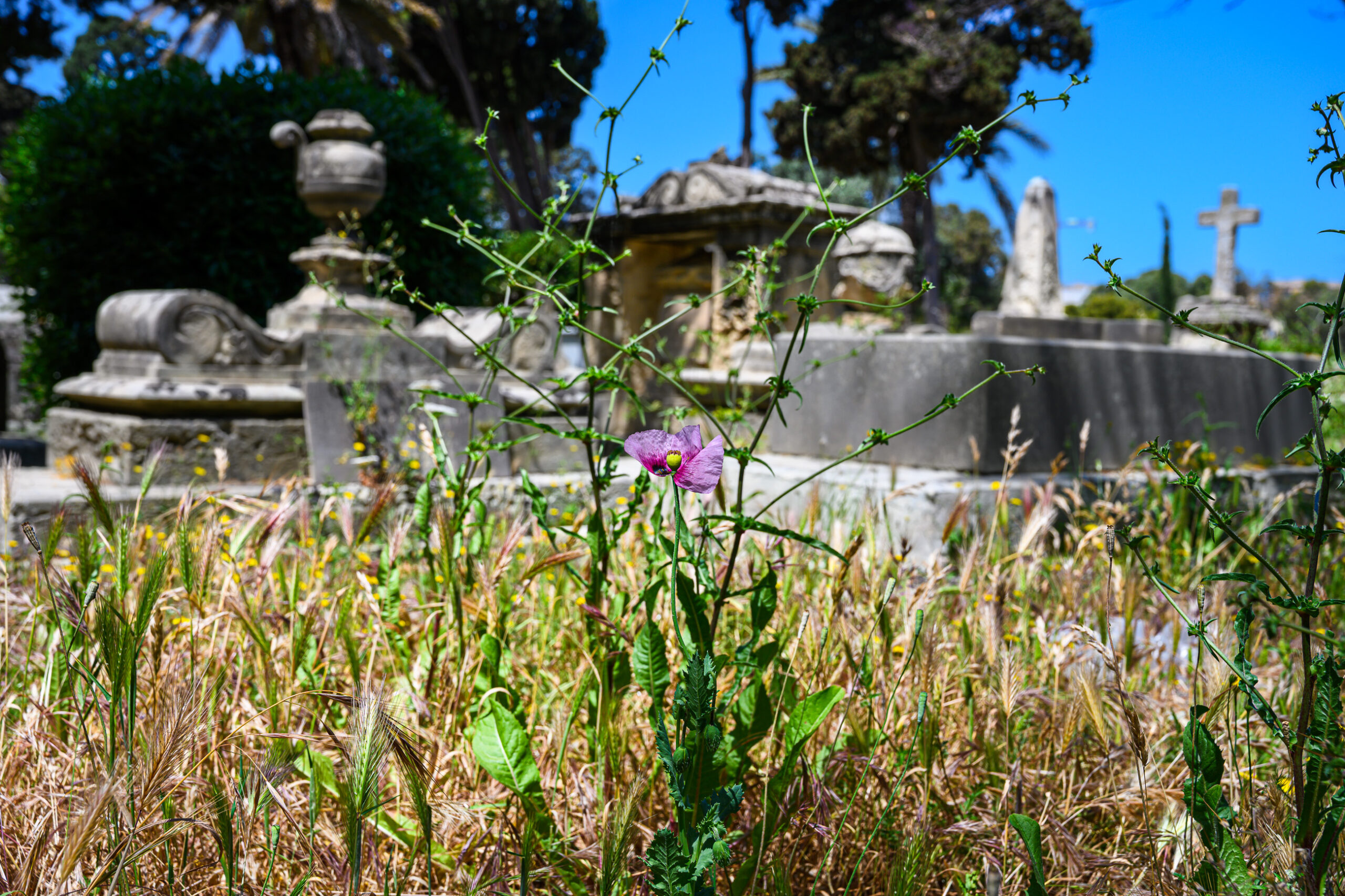
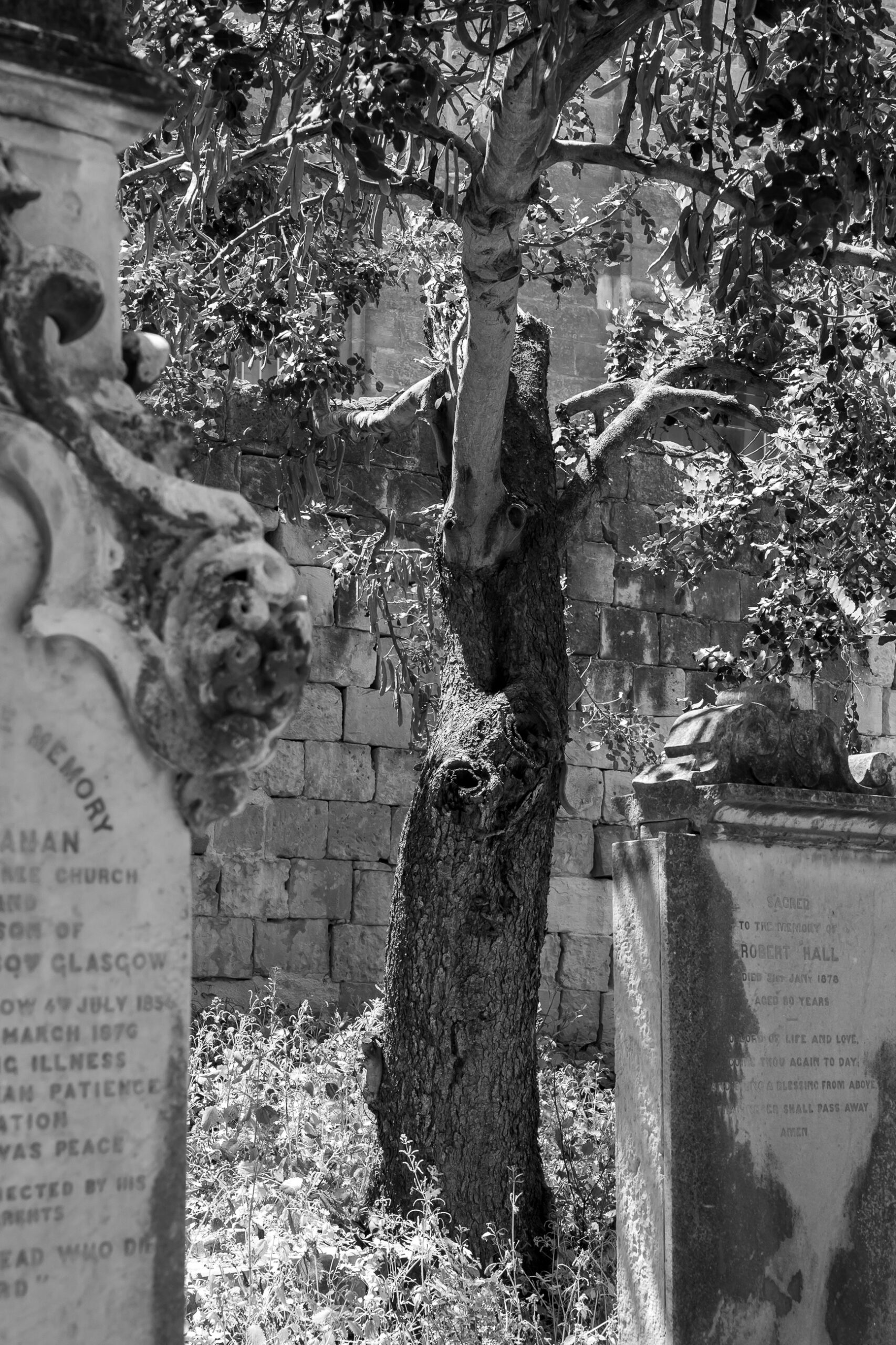
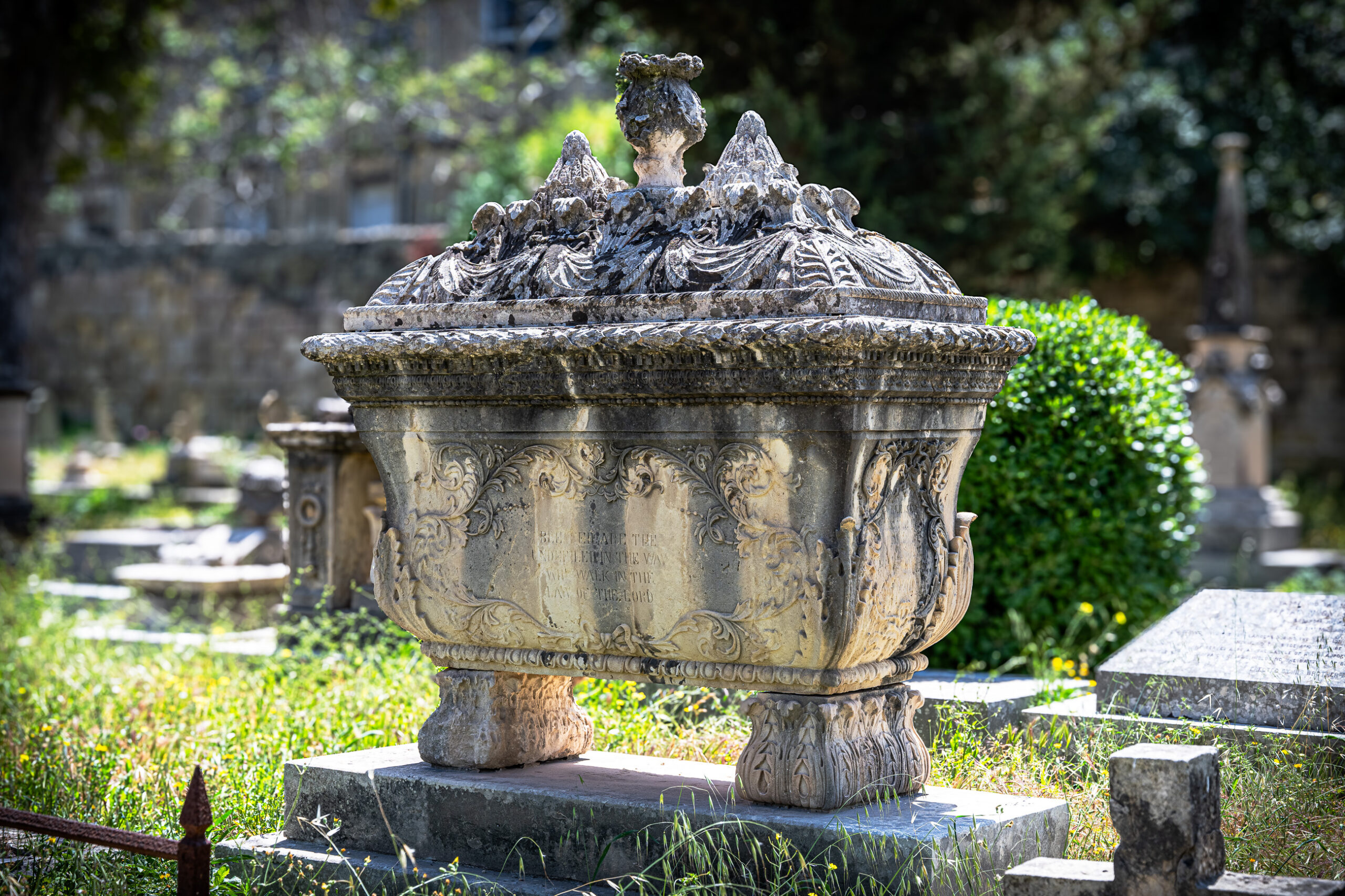
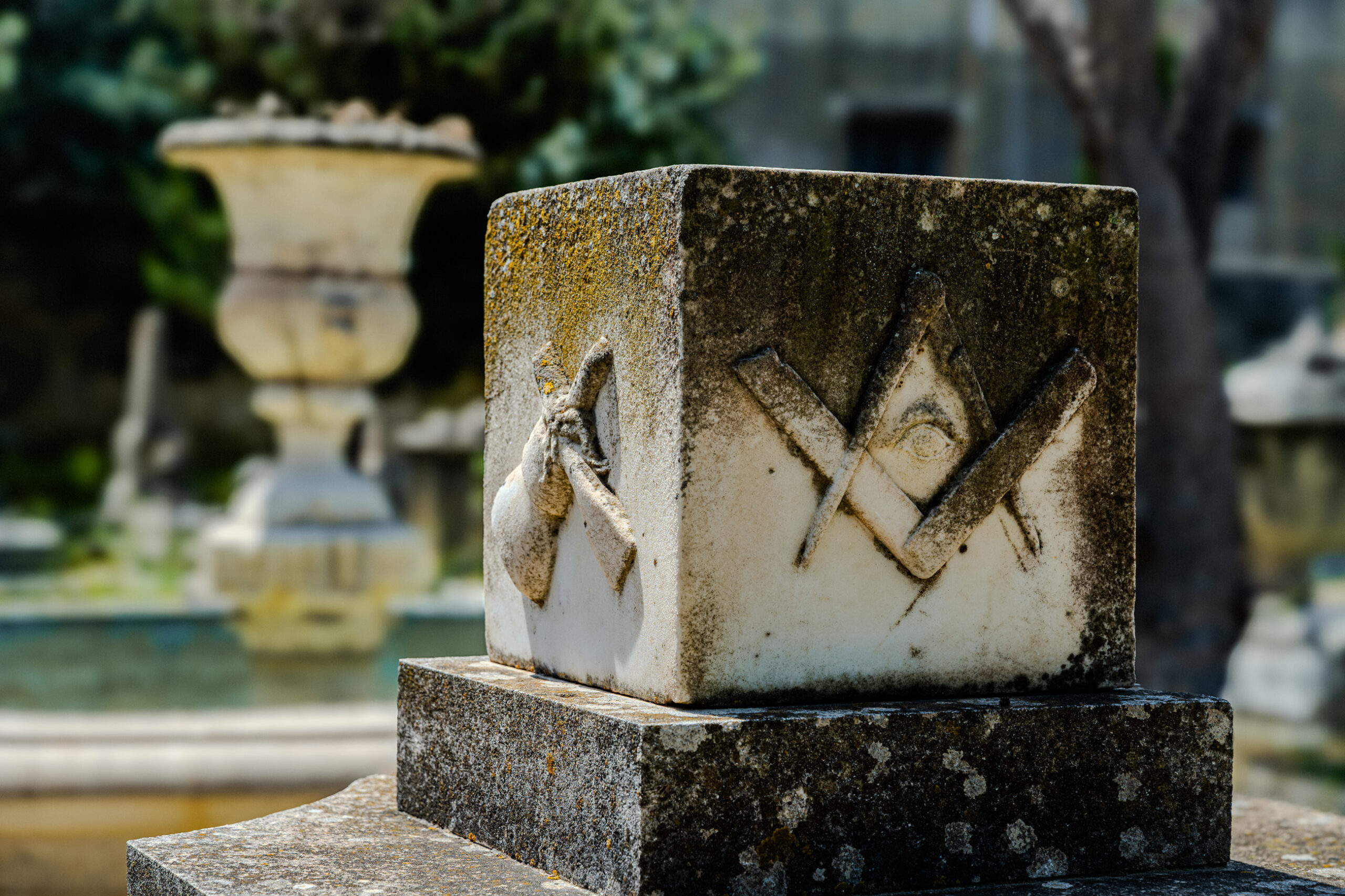
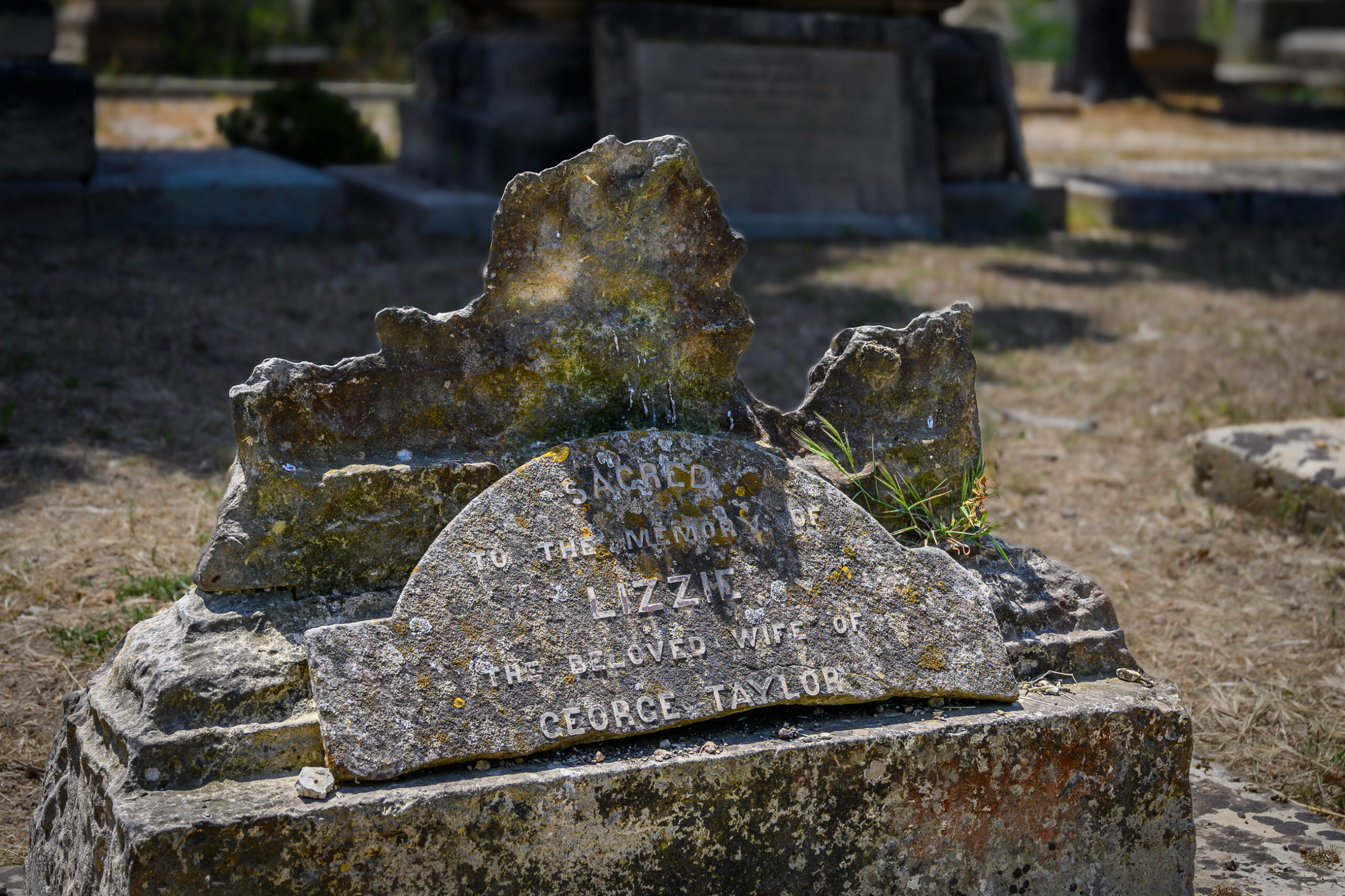
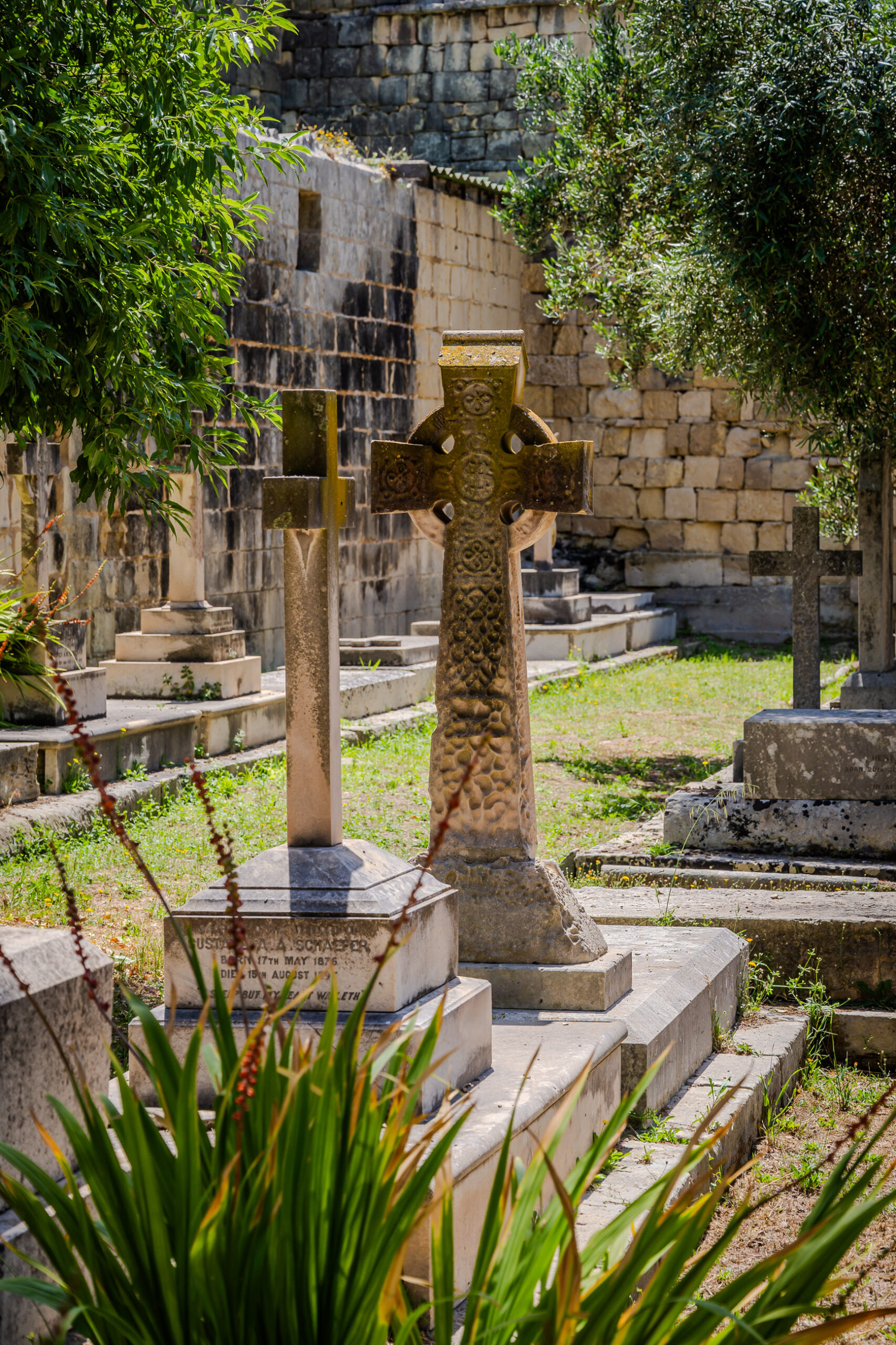
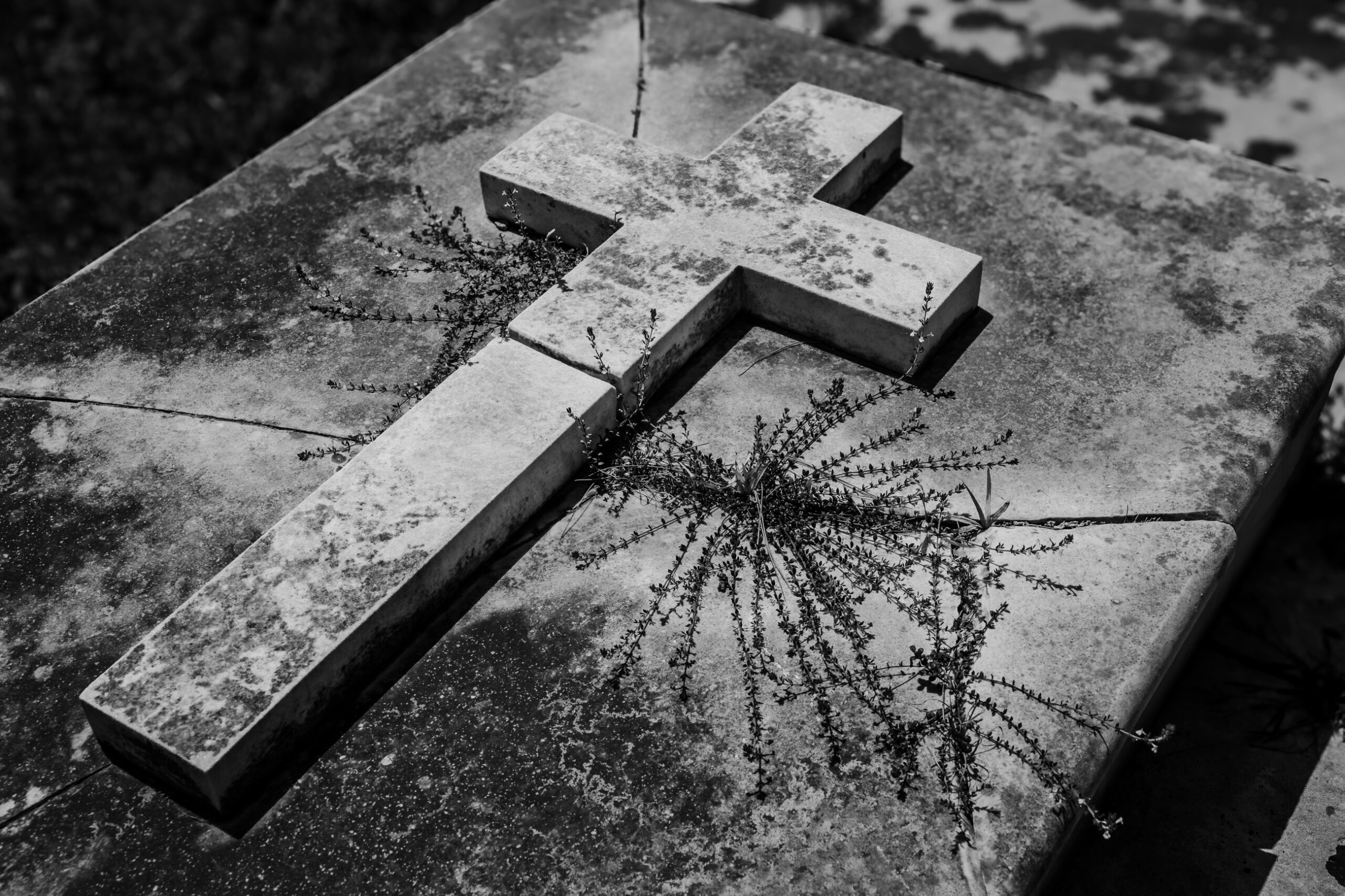
The paths crunched under my feet and released a smell of plants, and sometimes you could smell the sea. The sea is close enough that you can feel it in the air, and it has been doing its work on the stone for well over a century. Tombs here are deteriorating faster than anything I have seen in Lisbon or Venice – the salt air gets into the limestone and the carved details soften and blur, names becoming just as forgotten as the occupants of the graves. There is less decoration on the grave plates and tombstones than you find in other European cemeteries, fewer planted flowers or tended shrubs than in the north, more stone paths and grave boxes, and lilac poppies growing where they decided to, path or gravestone no matter.
The fountains are choked with duckweed and forgotten. There are no benches. The place makes no concession to lingering – no infrastructure that says stay a while, sit, think. You walk, or you leave.
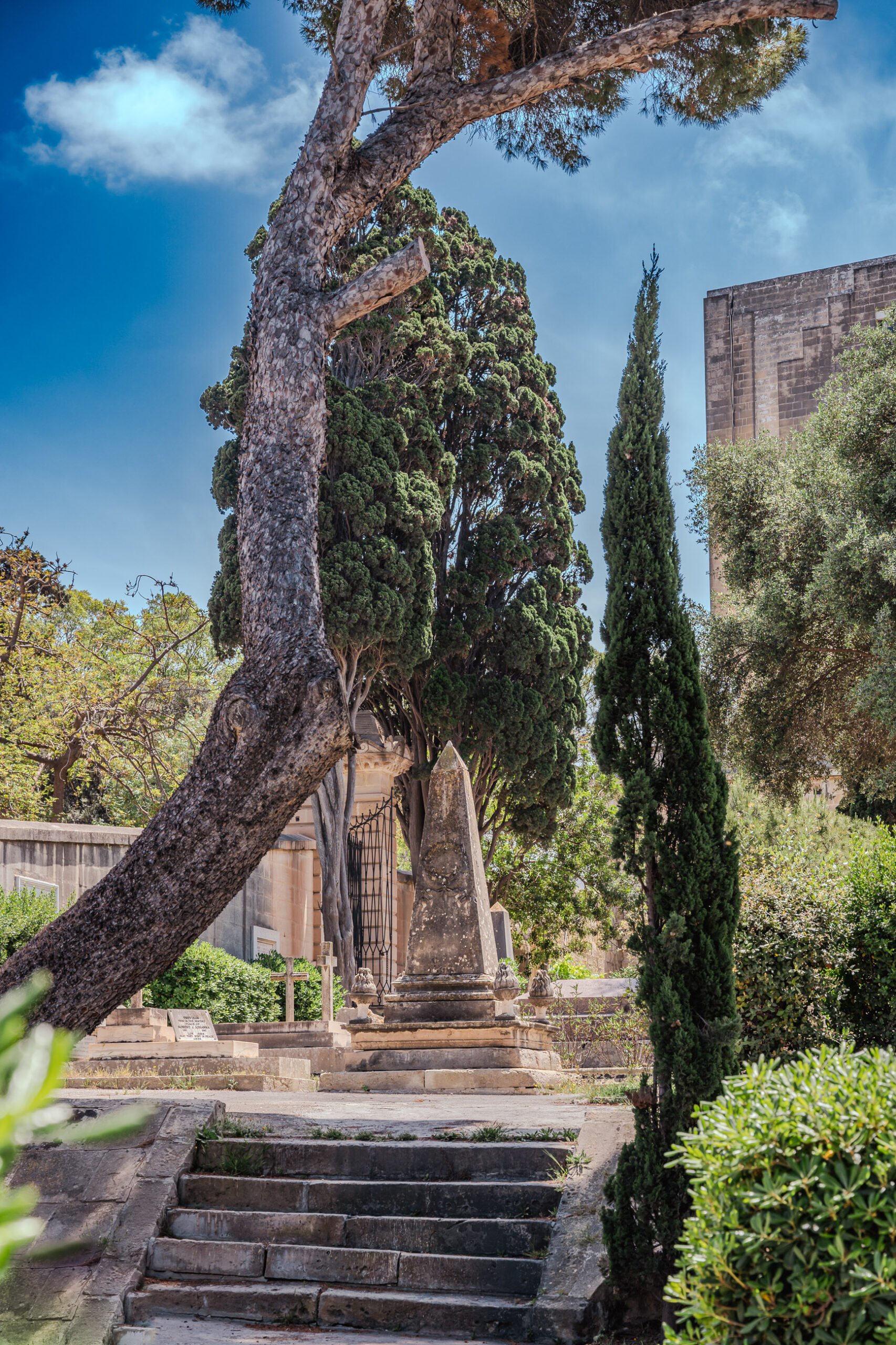
And yet I stayed for an hour. I couldn’t not, and used the stairs of the Hamilton-Gordon chapel to collect my thoughts, jot down some notes about my experience, and pay respect to the ones I’ve lost whilst watching the butterflies and bees looking effortless during their hard labour.
What a Camera Does
I should mention that I haven’t picked up my camera in about a year, probably longer. That’s a long time for me, and not something I planned. But there it was, sitting in its bag, and today felt like the day. We made some hard decisions lately and with picking up the camera it feels like I am slowly finding back to myself. More colour, a lighter stride, a smile here and there – multiplying the closer we get to following up on all those decisions.
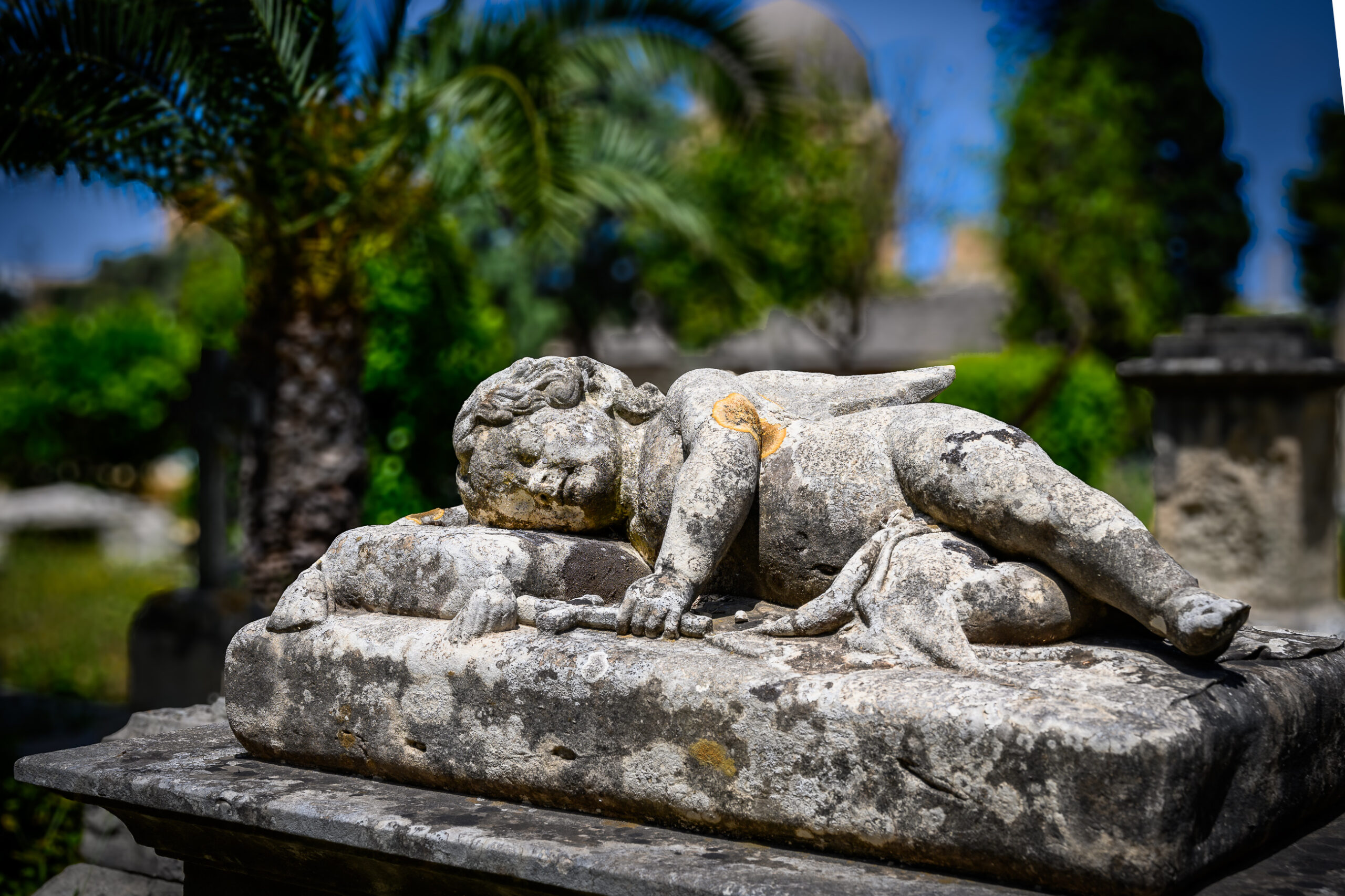
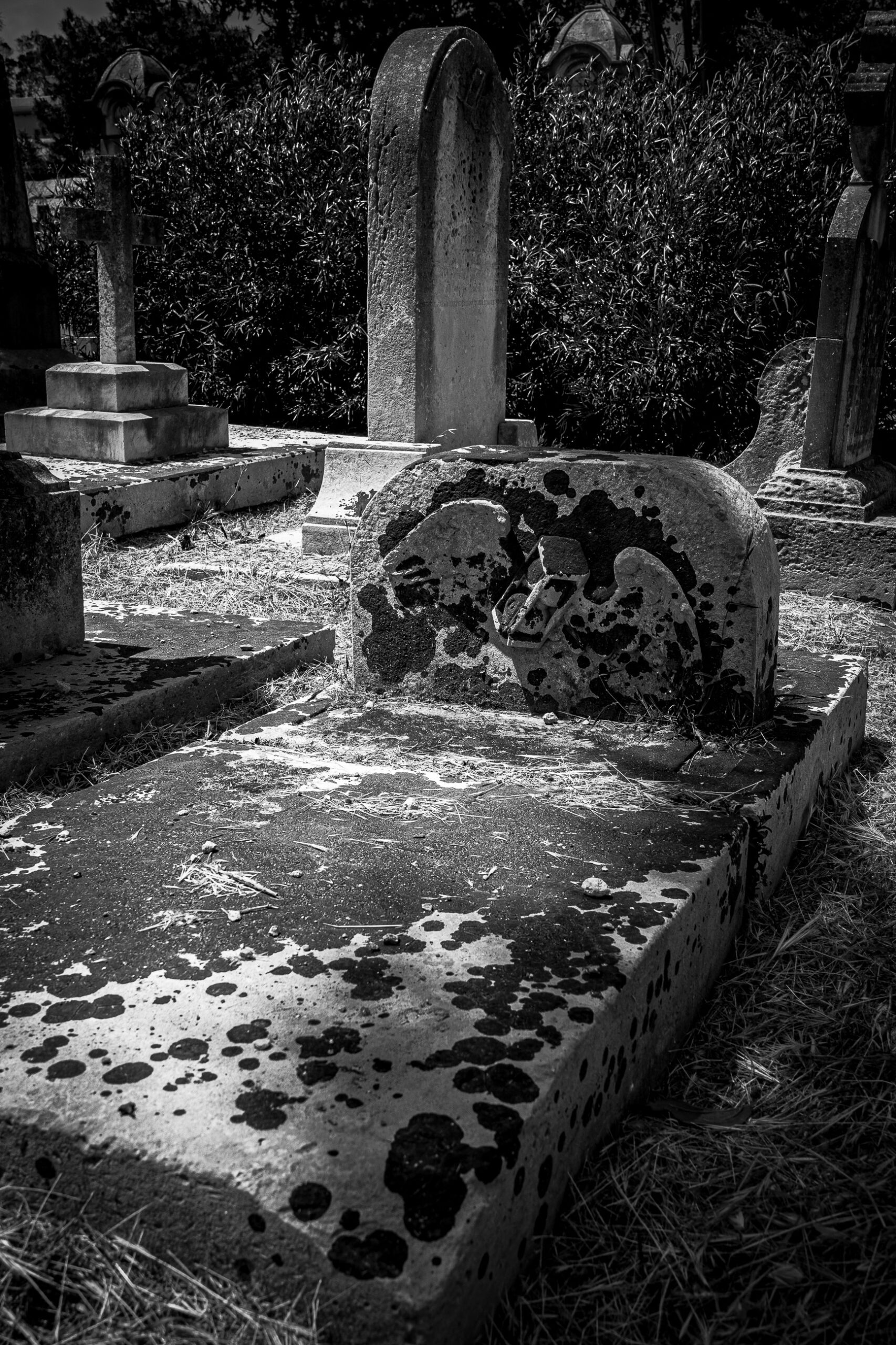
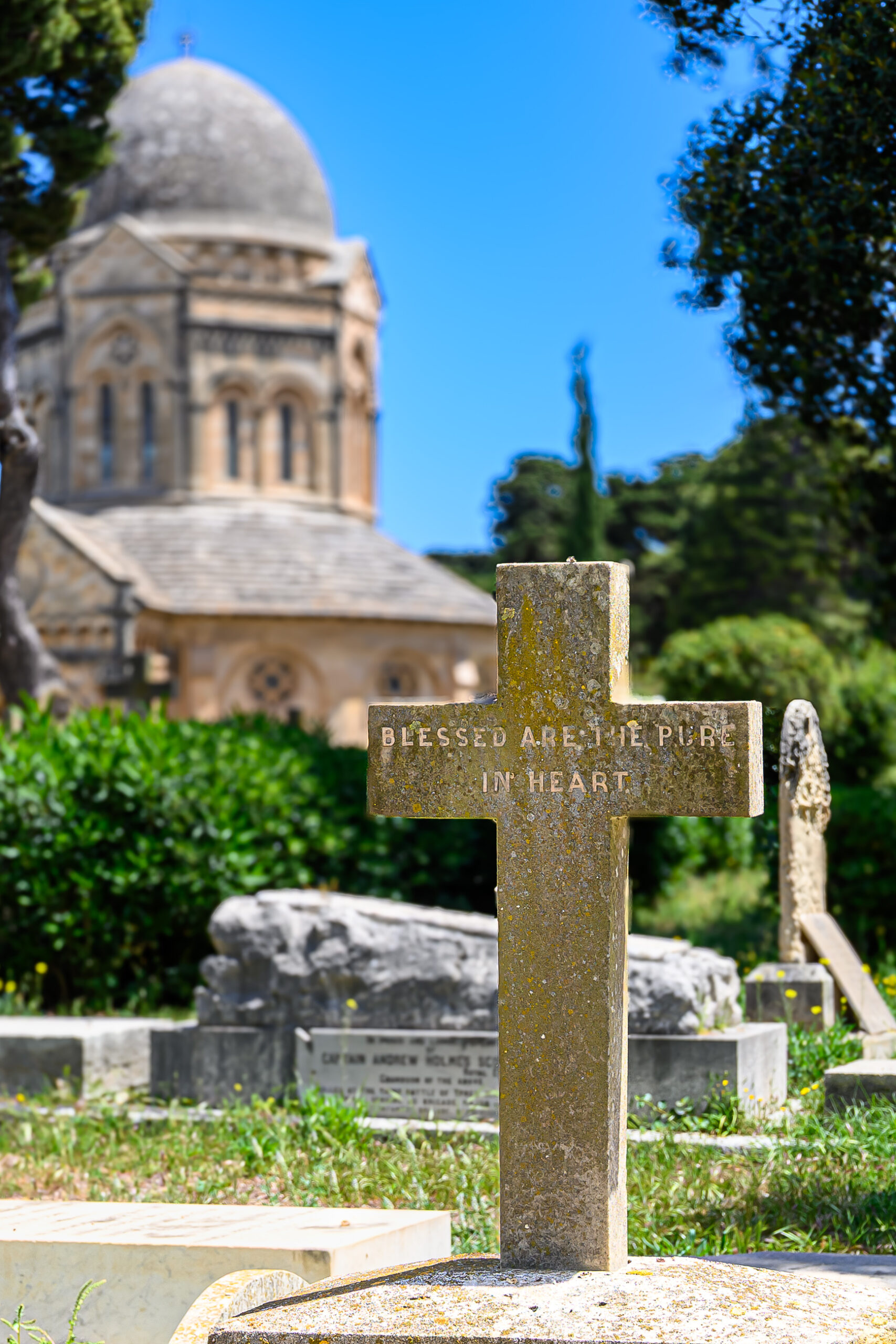
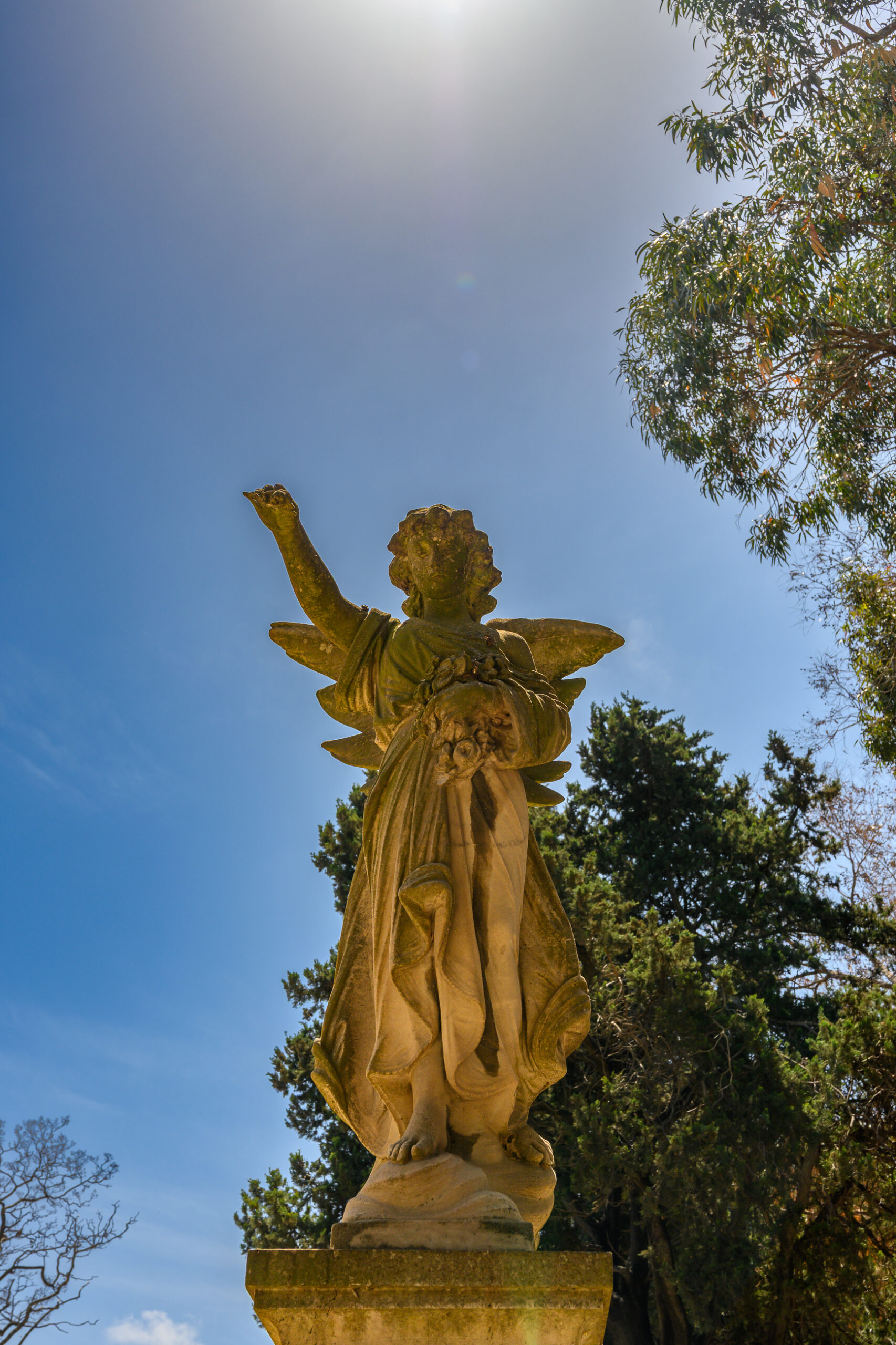
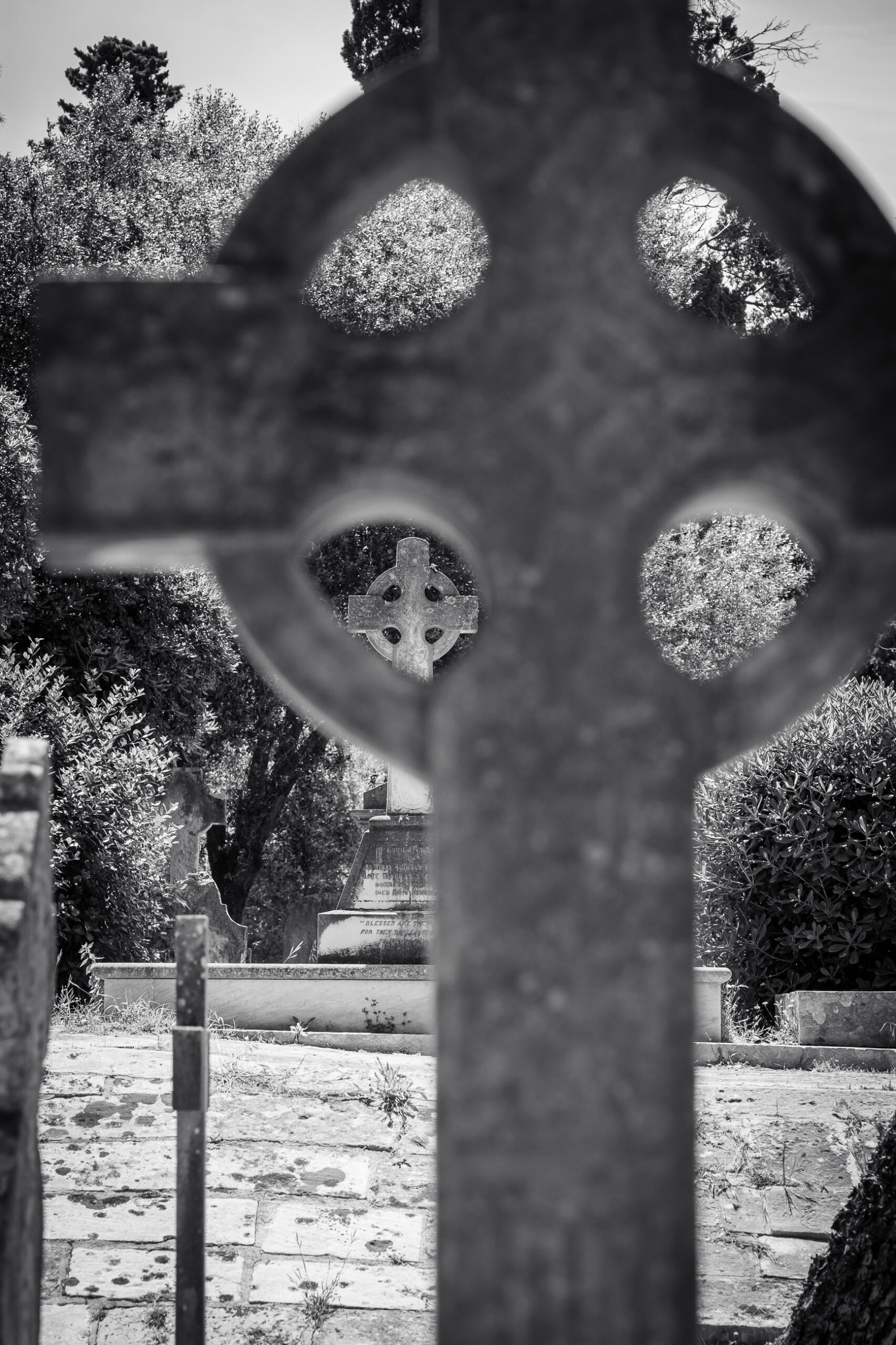
There is something that happens when you look through a viewfinder. The world collapses to a rectangle. Whatever is outside the frame stops existing for a moment, and whatever is inside it becomes the only thing that matters. An overgrown path with broken paving. A small stone angel, wings folded, sleeping on a child’s grave, face eaten away to something almost coral-like by years of weather. A stone cross going green at the base. A lizard, absolutely motionless on warm limestone, daring me to blink first.
I had forgotten how much I needed that. The specific, focusing-down quality of it. The permission to look at one thing properly. Drinking in the details with the moment.
Ode to Papafi
The inscription that stopped me longest was a flat stone slab on the ground, cracked clean across the middle. An ode to someone called Papafi. It described a Greek Macedonian, born into hardship, raised and prospered abroad, who never forgot his origins and never managed to visit his homeland. The tribute is from the boarders and graduates of the Papafi Orphanage in Meliteas, Thessaloniki, placed in 2007.
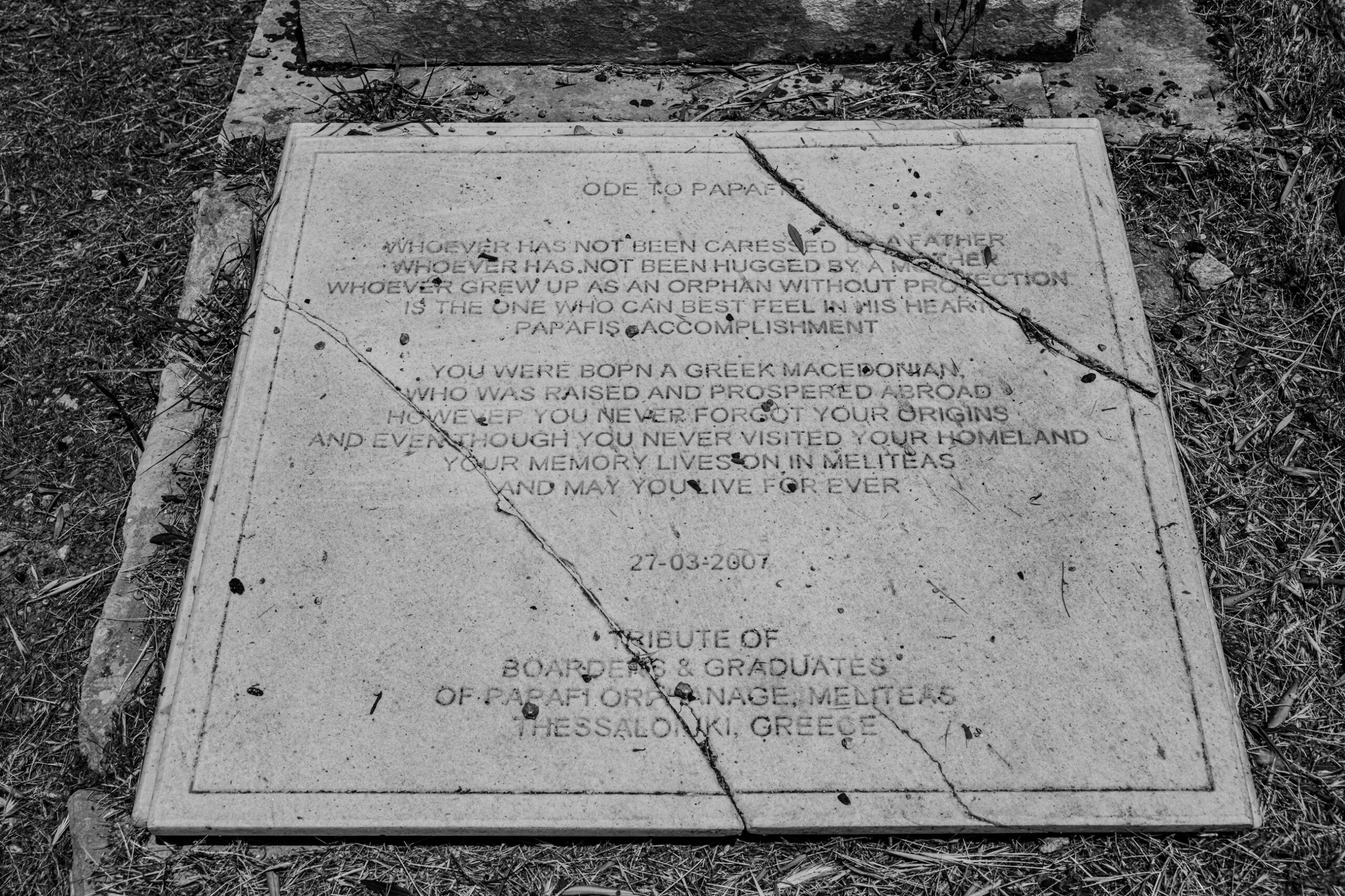
I stood there for a while, not knowing who he was. Someone interesting for sure, if he gets such an inscription on the island he emigrated to. Now that I looked it up I am glad it made me curious.
Ioannis Papafis was born in Thessaloniki in 1792, lost his father at sixteen, and was brought to Malta by his uncle to work as a merchant. He stayed for the rest of his life – ninety-four years of it – making his fortune as a broker, helping fund the Greek War of Independence, becoming one of the founding shareholders of the National Bank of Greece.
Then in his will he left everything to build an orphanage in Thessaloniki for boys who had nothing, naming it “The Maltese” – Meliteus – after the island that had given him a chance. It opened in 1903, sheltered thousands of Civil War orphans in 1948, and still operates today.
There is a bust of him in the Maglio Gardens in Floriana, and I might go and have a look at it soon.
On Getting Yourself Out the Door
I won’t pretend today was easy to start. I was two hours later than I intended.
Four years ago, anxiety locked me inside. Not metaphorically – literally inside, unable to press the door handle and step into the world without a reason, an appointment, another person as an excuse. I thought I was further along in recovering from that than I apparently am. Going out alone, with only my own intention as justification, still costs me something. It still requires an act of will that the me from five or six years ago – the one who got on planes on a whim and wandered cemeteries in foreign cities without a second thought – would have found baffling.
I miss that person. I am working my way back to them.
Today I got out the door. Today I walked around a beautiful, strange, neglected cemetery for an hour with my camera, and I listened to the pigeons and watched the lizards and read the stones and felt, for stretches of it, completely at one with me and the universe.
Small victories in strange places.
Visiting Ta’ Braxia
The cemetery is open weekdays only, 8am to noon and 1pm to 4pm. It is free. It is not on the tourist trail. It will probably be empty when you arrive, and the paths are uneven in places, and there are no benches and no café and nothing to make it comfortable. Go anyway. Maybe you’ll connect with something too.
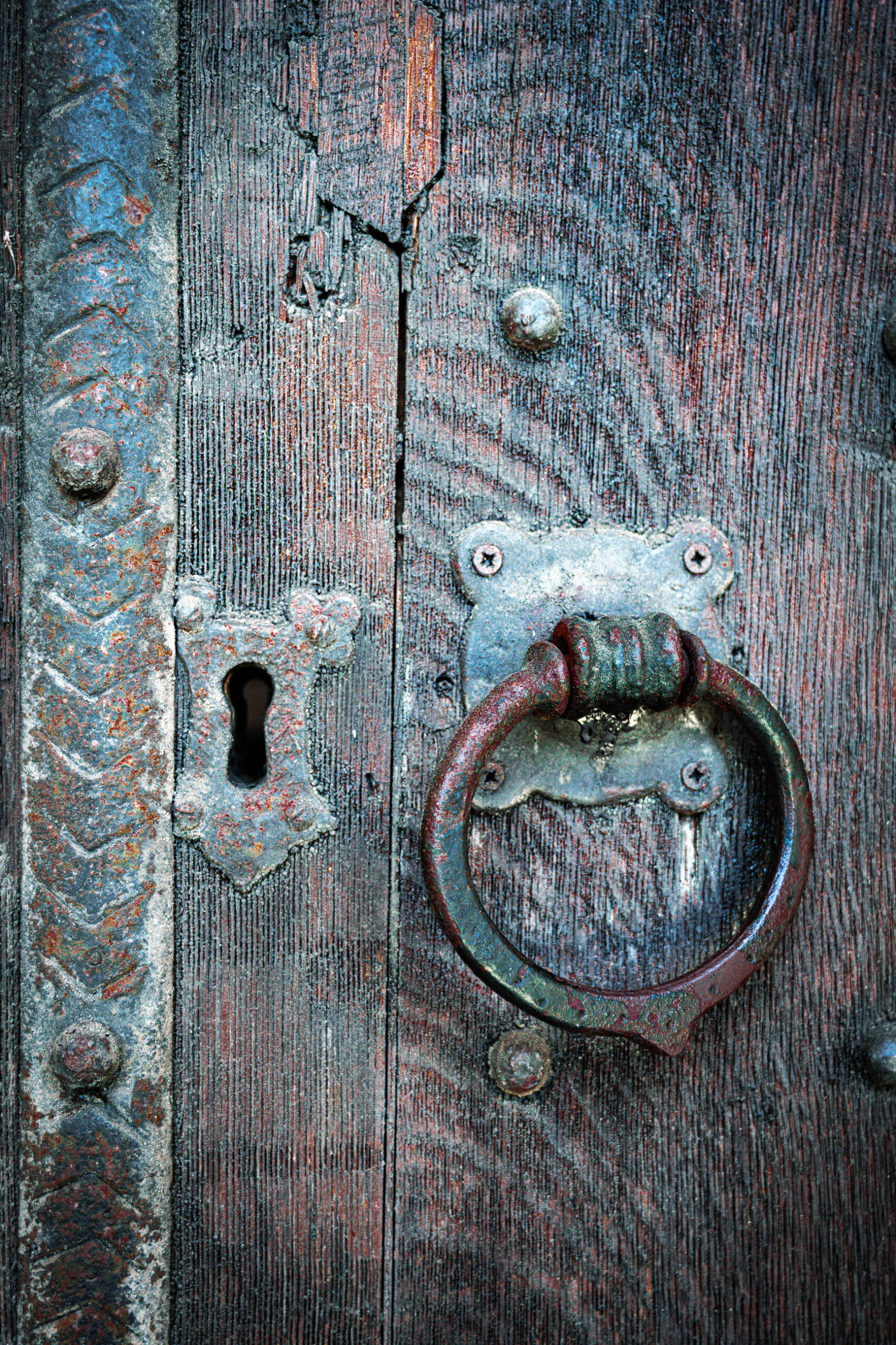
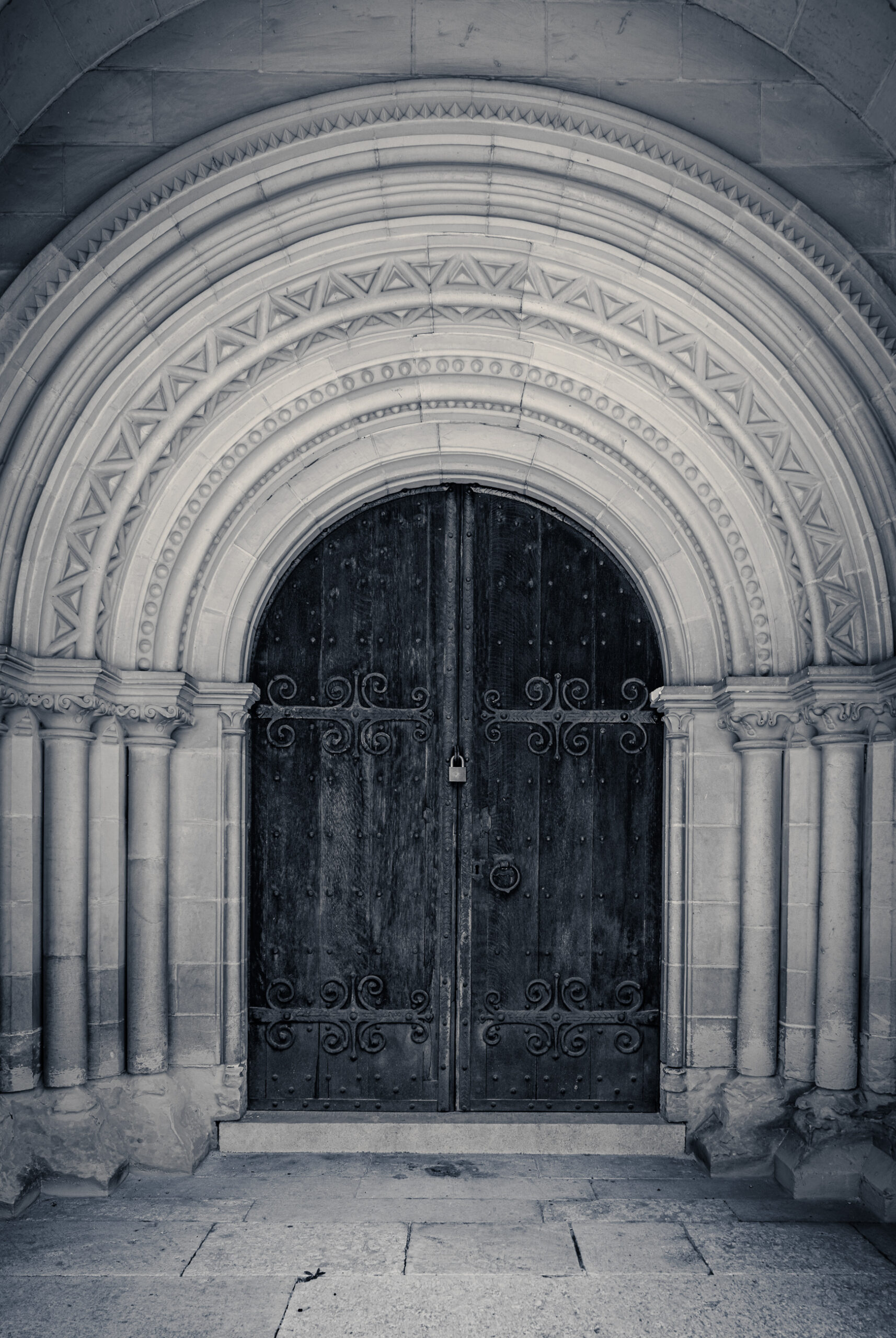
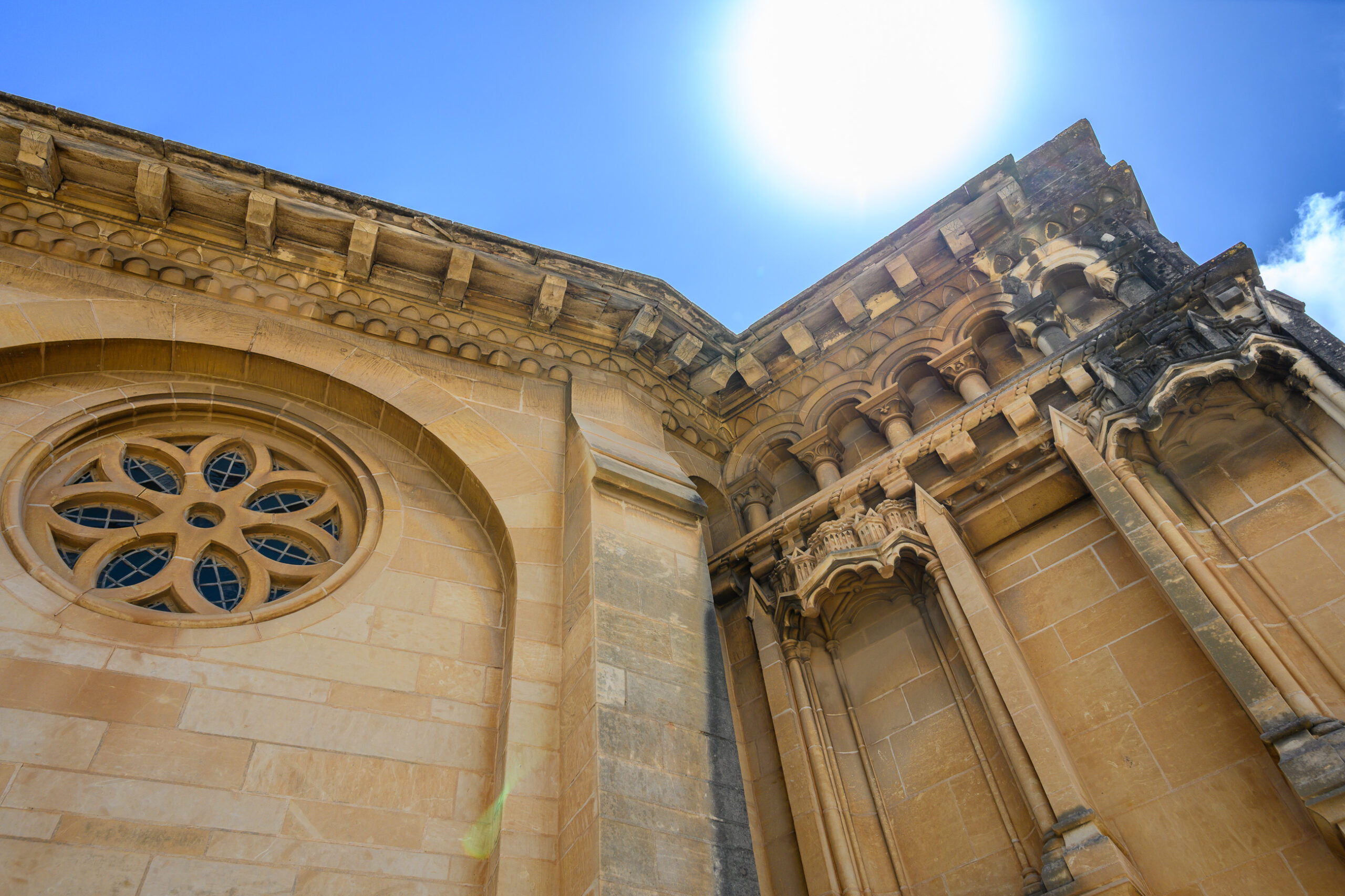
Have a look:
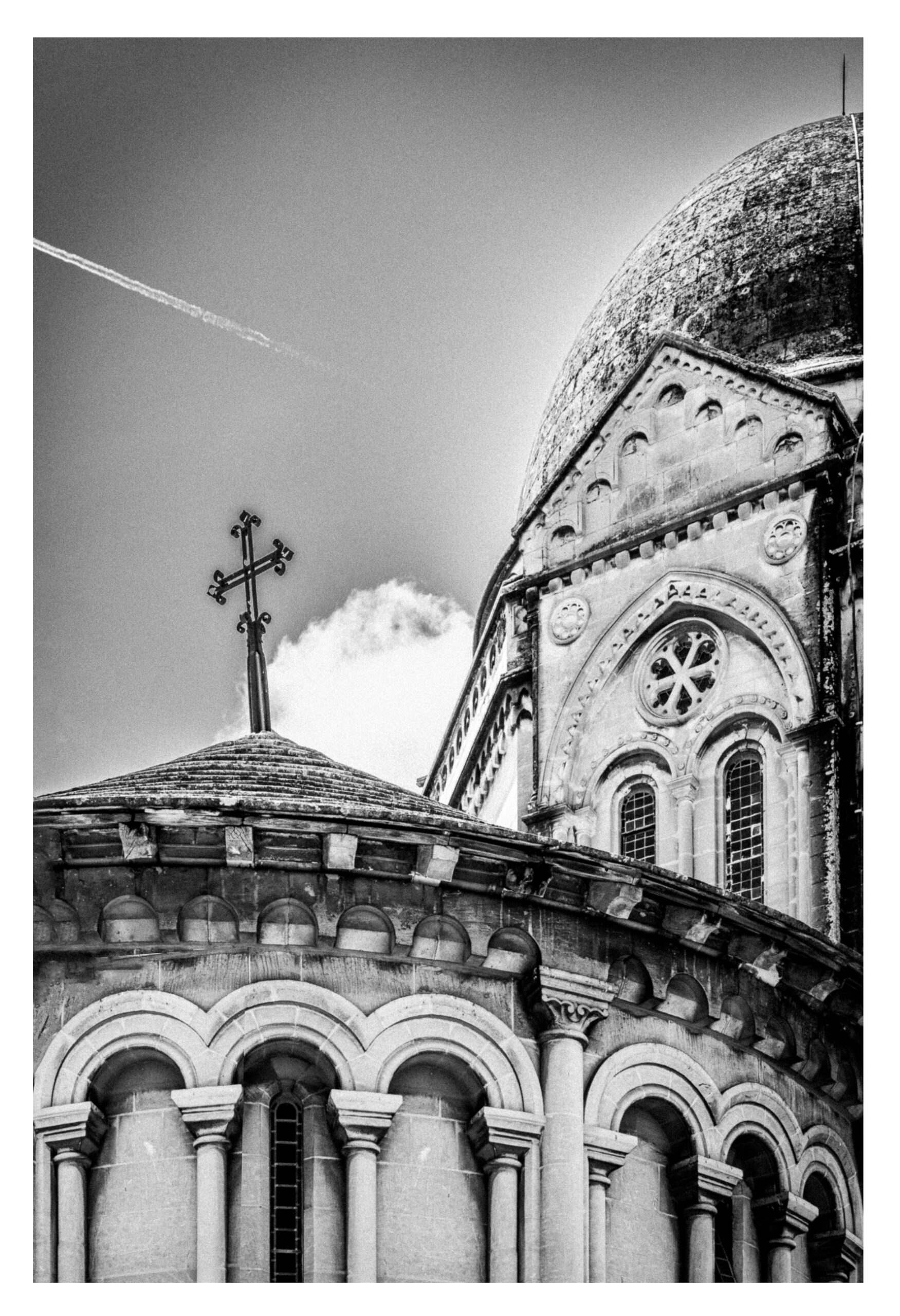
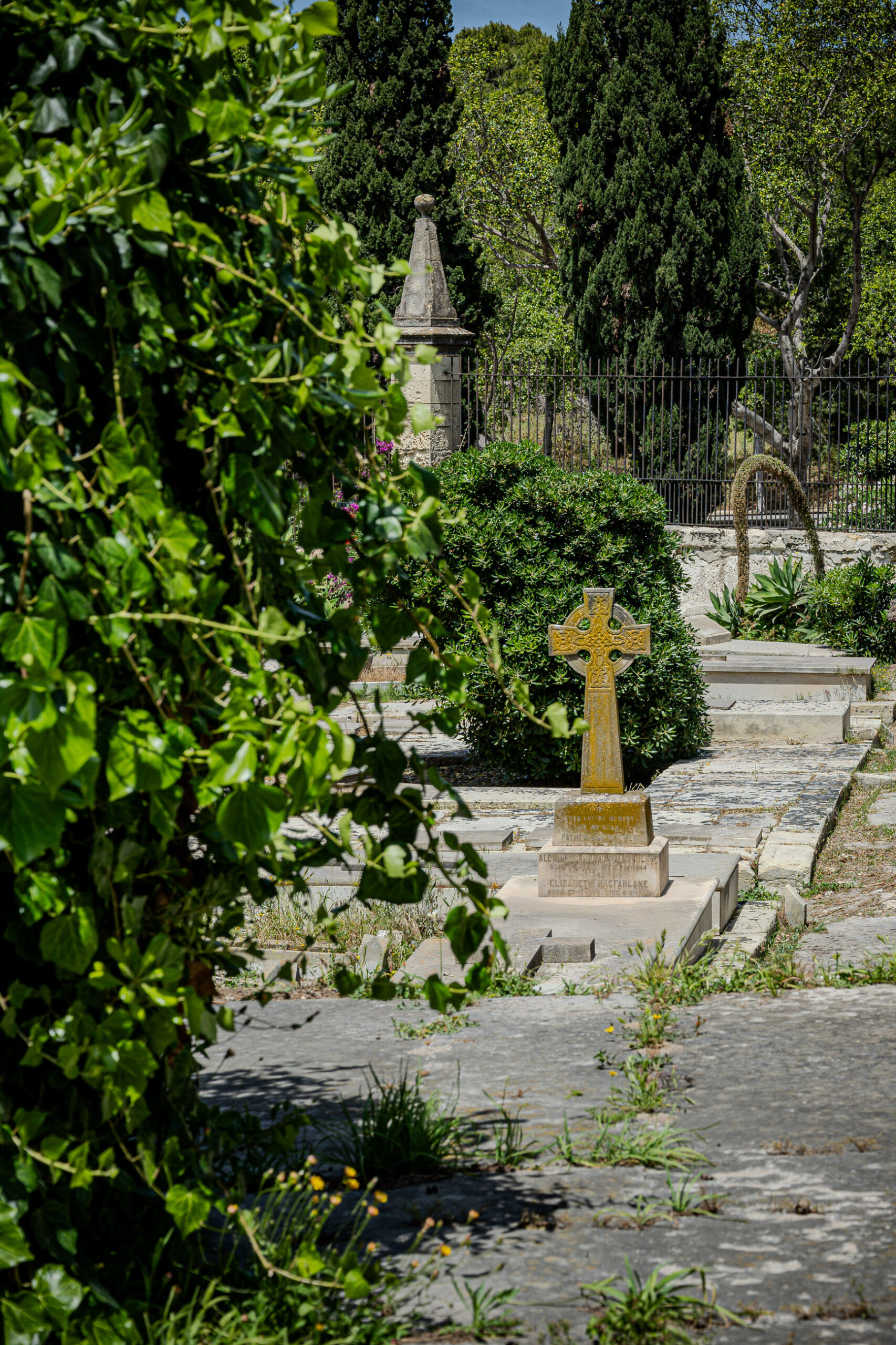
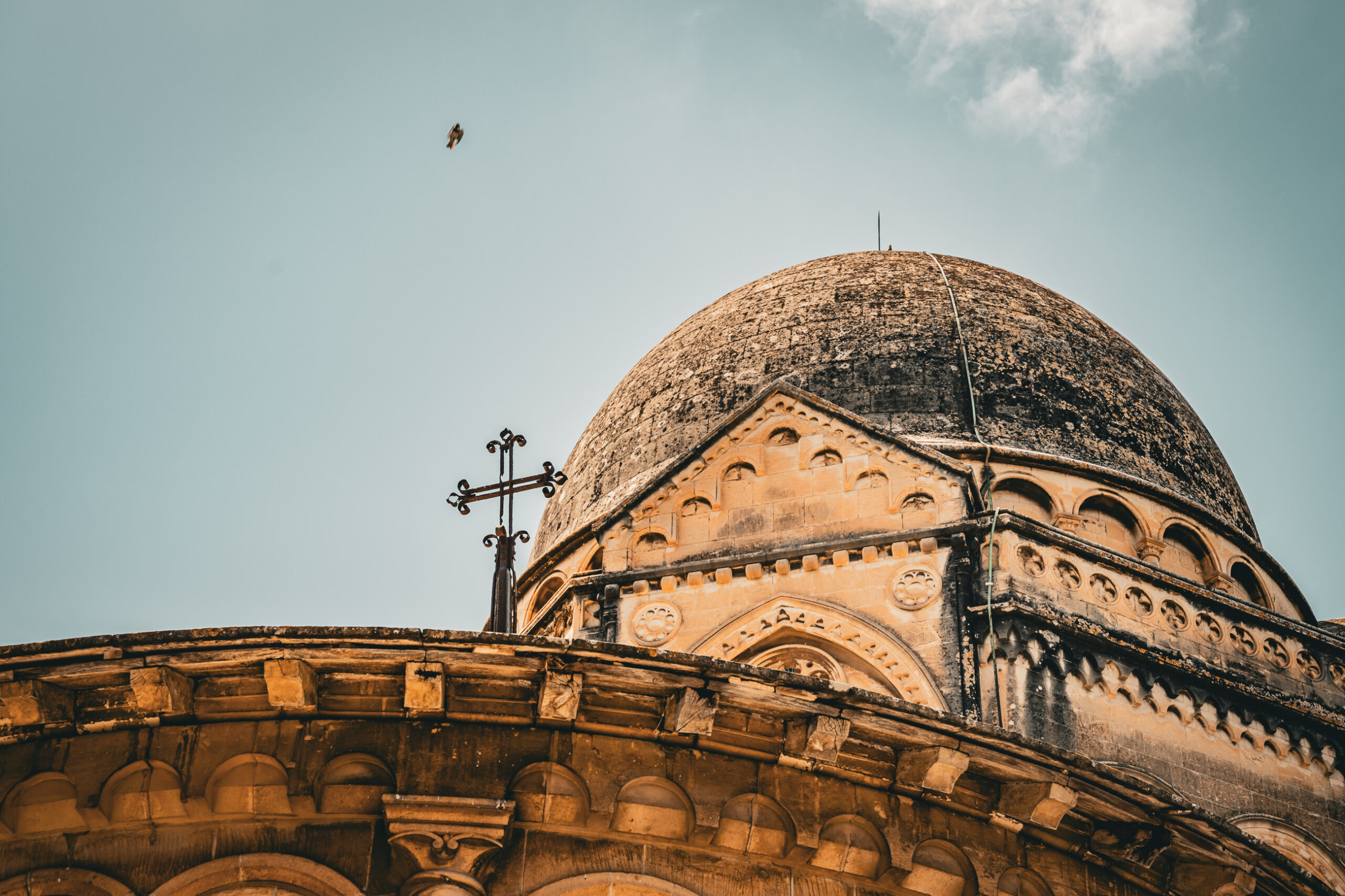
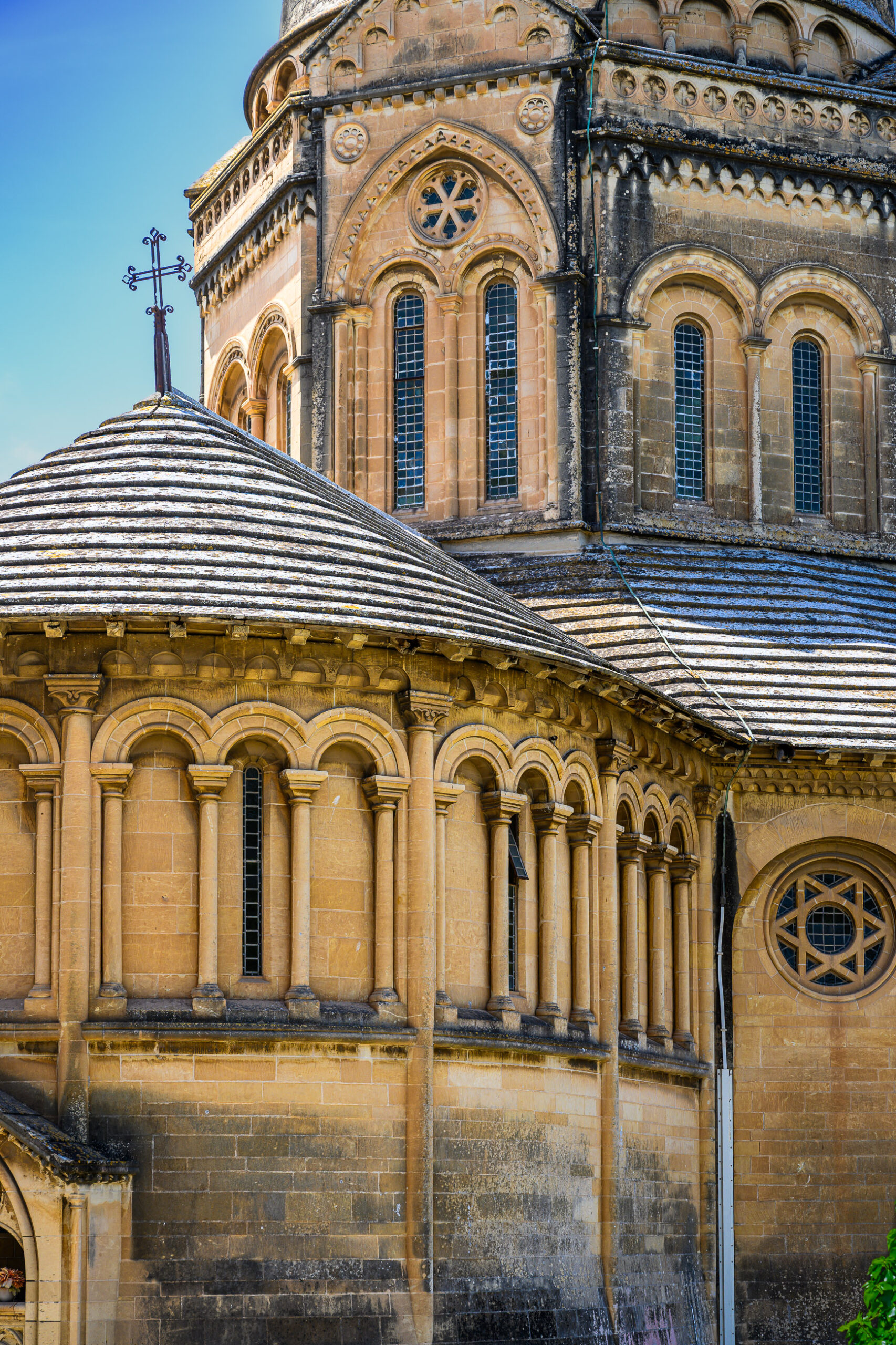
What do you think?: